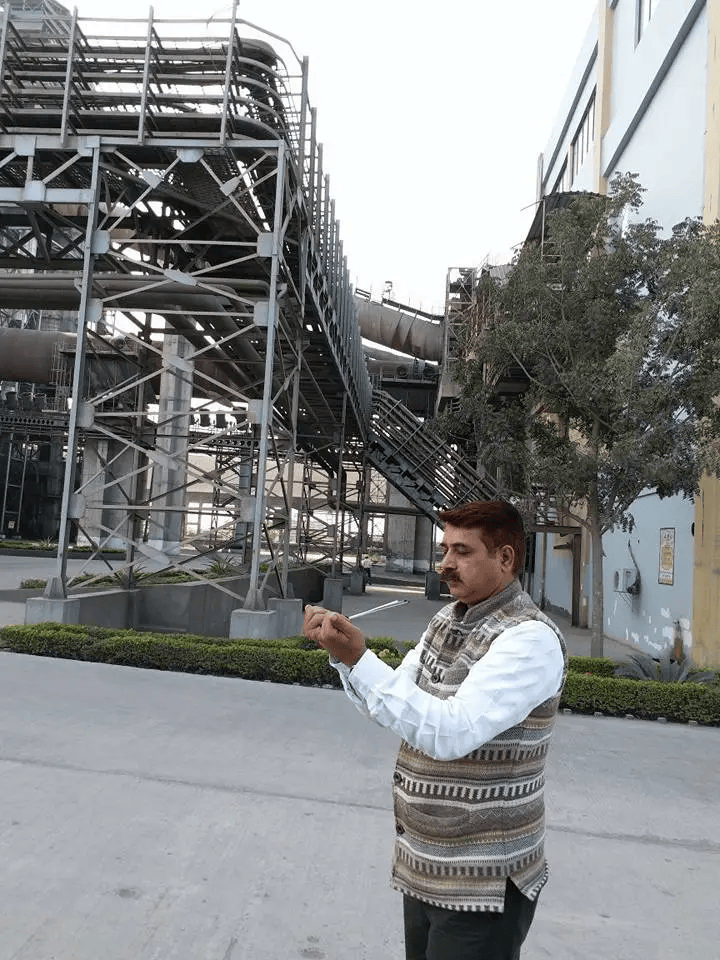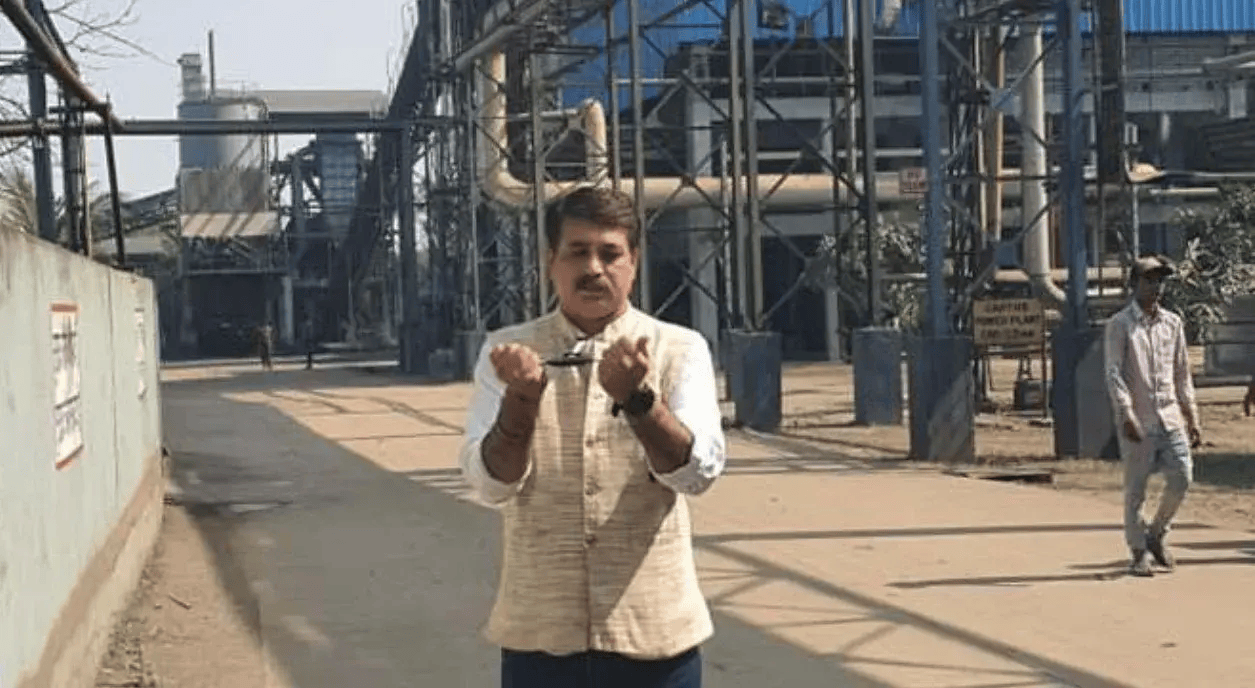
Vastu for Factory Machinery Placement in India
Get the Layout Right Before the Concrete Sets
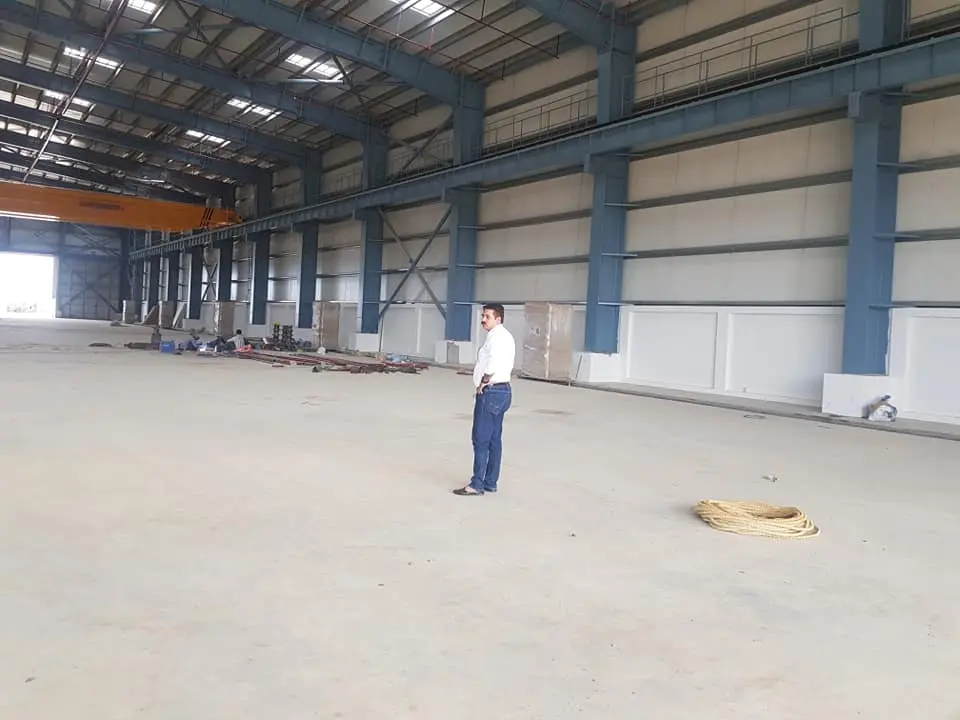
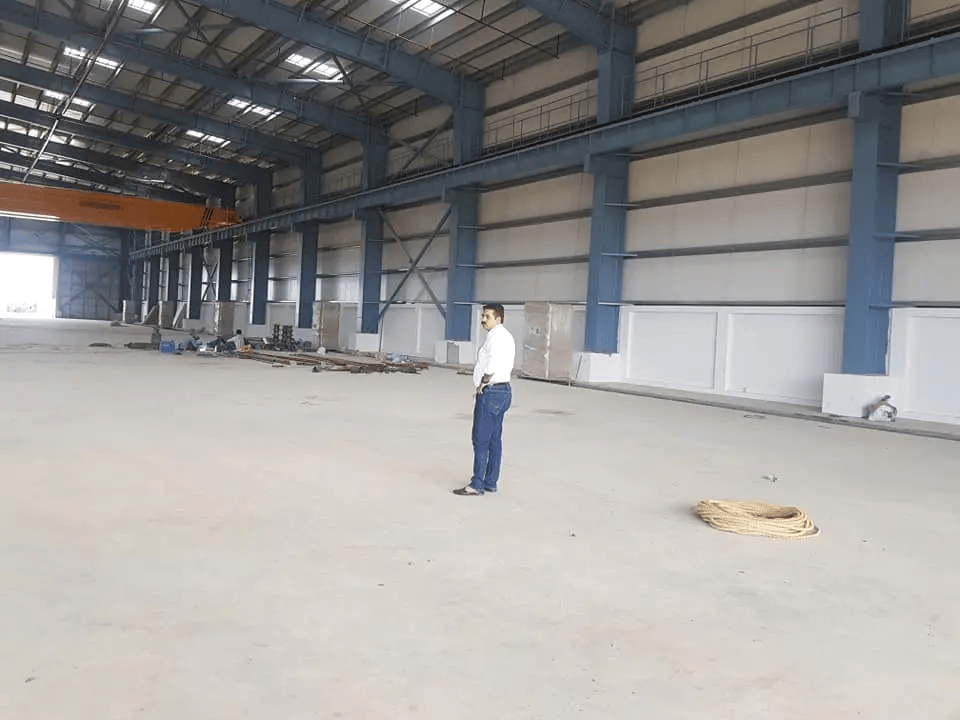
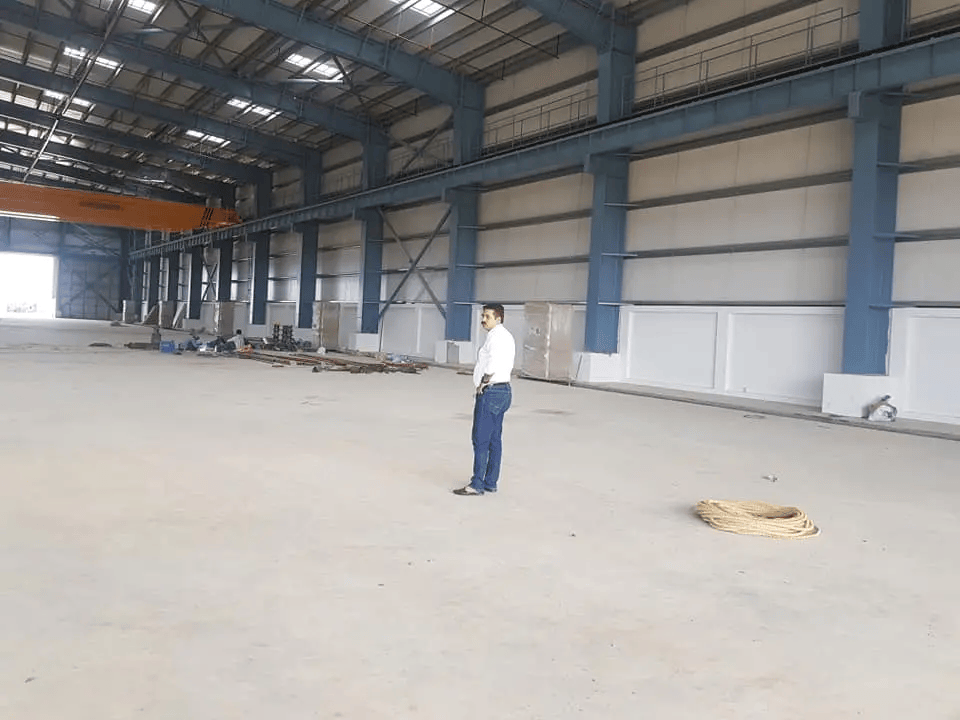
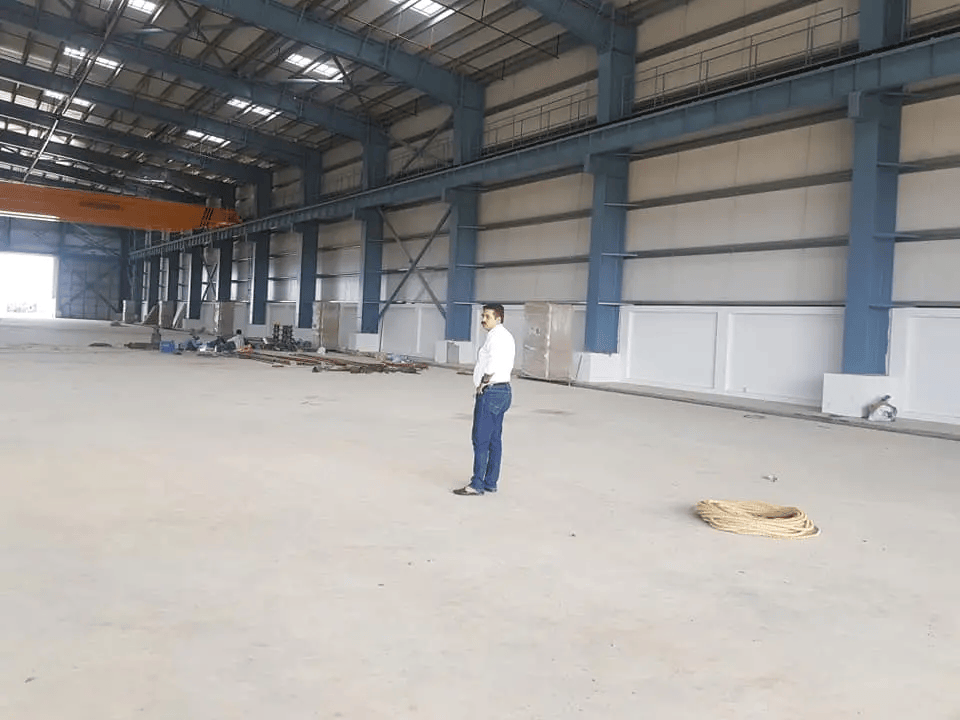
Machinery placement decisions get made once, usually under time pressure during installation, and rarely revisited afterward — because moving a bolted-down press or furnace later means real downtime and real cost. Vastu for Factory in India is built around catching these decisions at the planning stage, before anything is fixed in place.
The Underlying Logic
Every factory has a directional map, whether anyone's paid attention to it or not. Vastu for Factory reads that map and matches it against where heavy machinery, electrical systems, and storage currently sit — or are planned to sit — flagging mismatches that traditional Vastu Shastra associates with recurring inefficiency.
A Directional Reference for Common Factory Zones
|
Equipment or Area |
Recommended Zone |
|
Heavy machinery, general |
South-West, West, or South |
|
Crushing or powder-processing units |
North-West |
|
Furnaces, ovens, and other heat sources |
South-East |
|
Electrical panels, generators, boilers |
South-East |
|
Tube-well or bore-well |
North-East |
|
Overhead water tank |
South-West |
|
Raw material storage (solids) |
West |
|
Raw material storage (liquids) |
North or North-East |
|
Finished goods |
North-West |
Two Very Different Starting Points
A factory still on the drawing board has every option open — machinery zones, entrance direction, and storage layout can all be planned correctly from day one, at essentially no added cost. A factory that's already running has fewer options, but not none: where physical relocation isn't realistic, corrections shift to color, symbols, and metal-based remedies applied at the equipment's existing location.
What a Consultation Actually Involves
- The factory blueprint or floor plan is reviewed, including current or proposed machinery positions
- Compass direction is verified for the entrance and each equipment zone
- Heavy machinery, electrical systems, and storage areas are checked against the reference table above
- A written report ranks issues by severity and recommends specific corrections
- For equipment that can't be moved, remedy-based solutions are provided instead
- Guidance continues as new equipment is added or the facility expands
Signs It's Worth Getting a Review
Recurring machine downtime concentrated in one section of the floor. Output that never quite matches capacity despite no clear mechanical fault. A new production line being planned. An expansion that will add substantial new machinery to an existing footprint. Any of these are reasonable triggers for a Vastu for Factory consultation.
Where the Limits Are
Vastu guidance sits alongside engineering standards, not above them — safety codes, maintenance access, and structural load calculations still come first. A factory with a genuine mechanical fault or a poorly trained workforce won't be fixed by machinery repositioning alone. What this framework is more realistically suited for is the pattern that engineering reviews sometimes miss: consistent underperformance in one specific zone that keeps recurring despite otherwise sound operations.
One Way This Plays Out in Practice
A manufacturer finalizing plans for a new unit had initially placed heavy crushing equipment in the North-East zone — an area generally kept open in Vastu Shastra. Reviewing the plan before construction meant the fix cost nothing beyond redrawing the layout: the crushing equipment moved to the South-West, and the North-East was left clear. Had this been caught after installation, the same fix would have meant physically relocating heavy, already-bolted equipment.
Planning-Stage vs Post-Installation Review
|
Planning-Stage Review |
Post-Installation Review |
|
|
Cost of implementing changes |
Minimal — layout adjustments on paper |
Higher — may involve physical relocation |
|
Disruption to operations |
None — nothing is running yet |
Limited to non-relocatable remedies to avoid downtime |
|
Best suited for |
New factories or major expansions |
Existing factories with recurring, unexplained issues |
|
Flexibility |
Full — every zone can be planned |
Partial — remedy-based corrections where relocation isn't feasible |
Who Guides These Reviews
Brahm Vastu's industrial and factory consultations are led by Dr. Santosh Mishra, a Bachelor's in Engineering graduate with an M.A. in Vastu Shastra from Maharishi Mahesh Yogi Vedic University, Jabalpur, and a Ph.D. for research on "Vastu and Health." Over two decades of hands-on industrial consultancy inform every machinery placement review. His background is detailed on the Brahm Vastu team page, with more on the practice at the About Brahm Vastu page.
Frequently Asked Questions
Is it too late to get a review once machinery is already installed?
No. Remedy-based corrections using color, symbols, and metals can be applied at the equipment's current location without relocation.
What's the single most important zone to keep clear in a factory?
The North-East is generally treated as the zone to keep open, avoiding heavy machinery or storage there.
Does this apply to small manufacturing units, or only large factories?
The same principles scale down to smaller units — the review is simply proportionate to the facility's size.
Can this replace a safety or engineering audit?
No. It's meant to work alongside standard engineering and safety practices, not in place of them.
When is the ideal time to schedule a review?
Before finalizing machinery layout for a new or expanding facility, though existing setups can be reviewed at any stage.
Plan Your Factory Layout Before It's Fixed in Place
Whether you're finalizing a new facility or reviewing an existing one, Vastu for Factory in India can help catch layout issues early. Book an appointment or send an enquiry to get started. Brahm Vastu's office is located at B611, Babylon Tower, VIP Chowk, Telibandha, Raipur, Chhattisgarh – 492006, India.