Expert Industrial Vastu Consultation Services Across India the USA UAE China Bhutan and Canada
Industrial manufacturing hubs face complex vulnerabilities daily, ranging from sudden machinery breakdowns and high raw material rejection rates to severe labor friction. Often, these issues persist despite state-of-the-art diagnostic testing, mechanical fine-tuning, and robust corporate management strategies. When standard troubleshooting protocols fail to resolve chronic operational deficits, the root cause frequently traces back to deep spatial, environmental, and telluric energy distortions within the factory layout itself.
Global industrial setups require precise, non-destructive space-balancing methodologies to coordinate structural geometry with the earth's natural electromagnetic frequencies. This operational blueprint details how advanced spatial resonance audits pinpoint invisible structural flaws and neutralize them systematically to unlock peak manufacturing yields.
Maximizing Global Industrial Output via Spatial Science
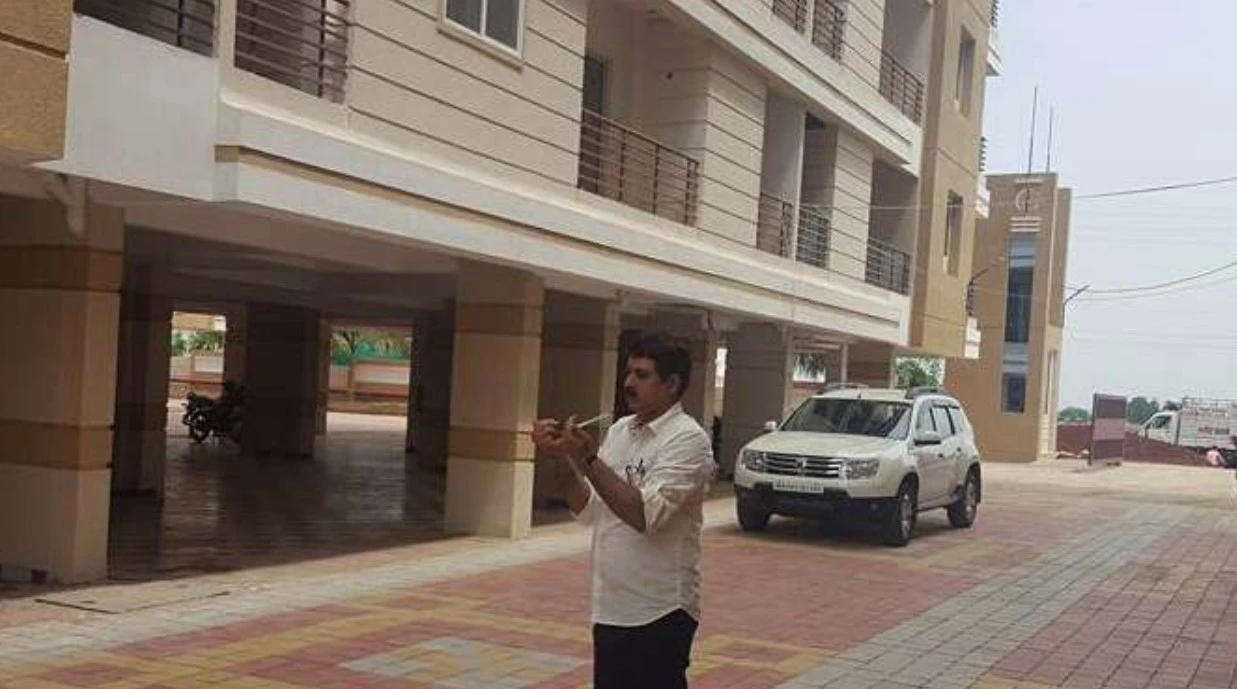
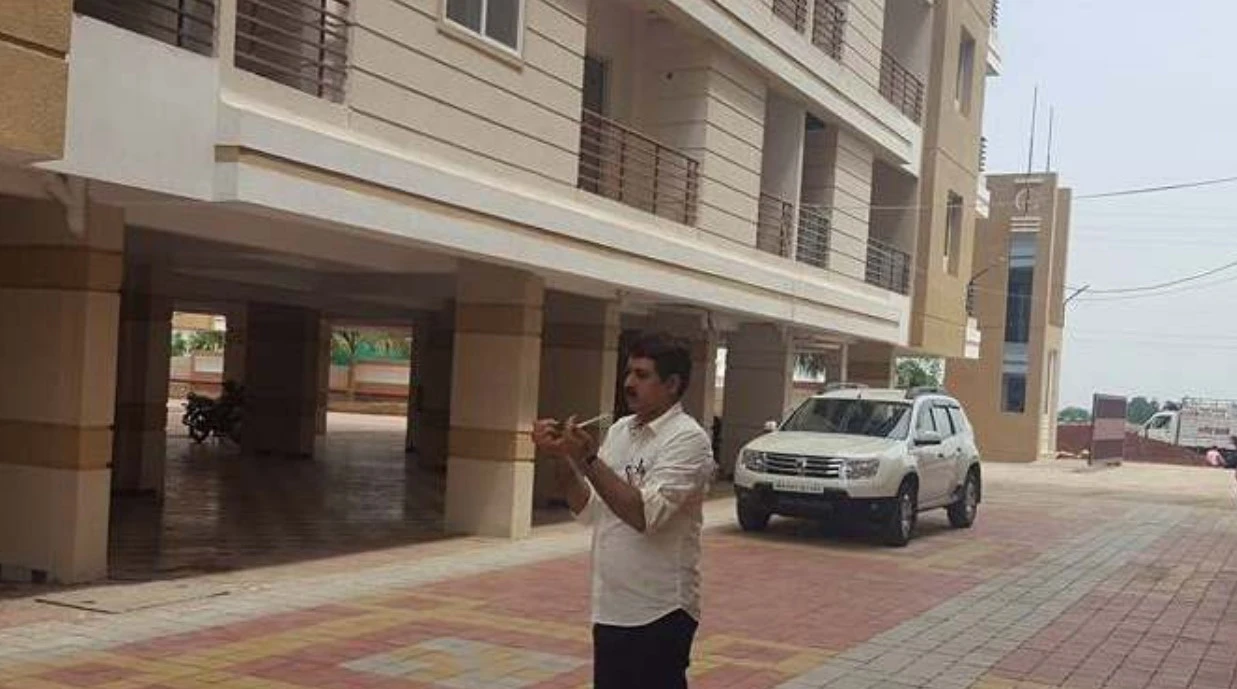
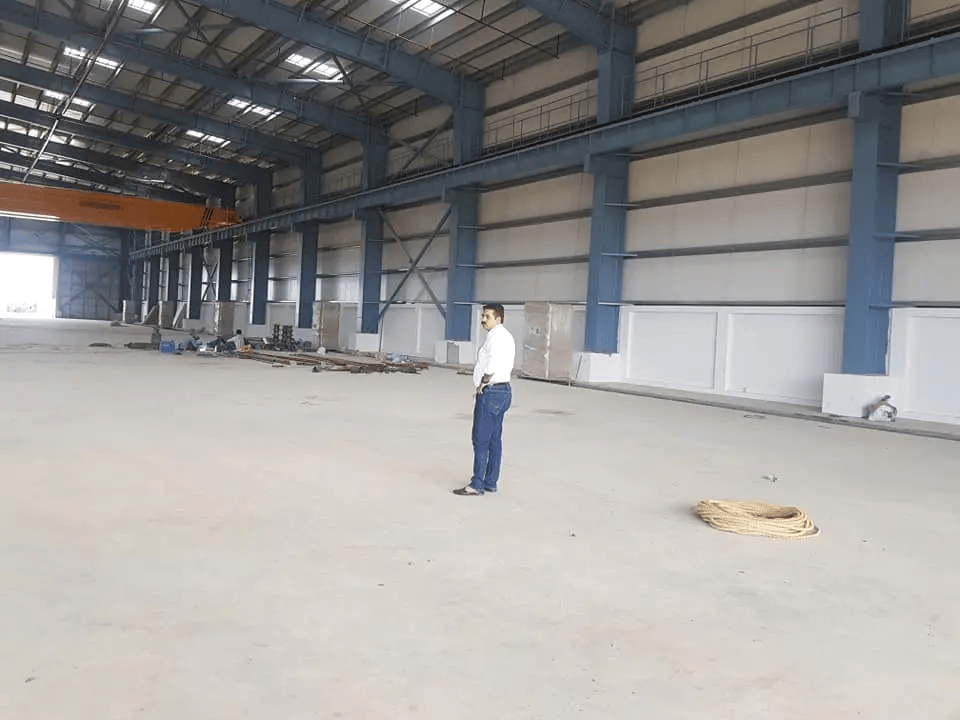
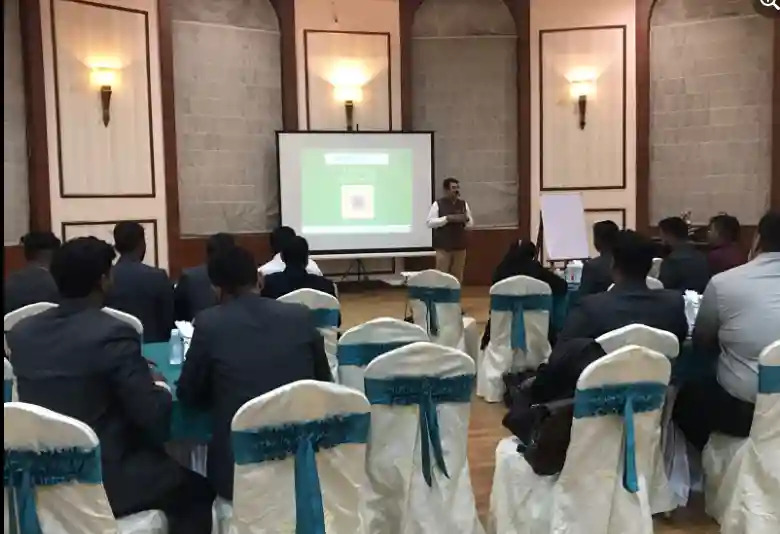
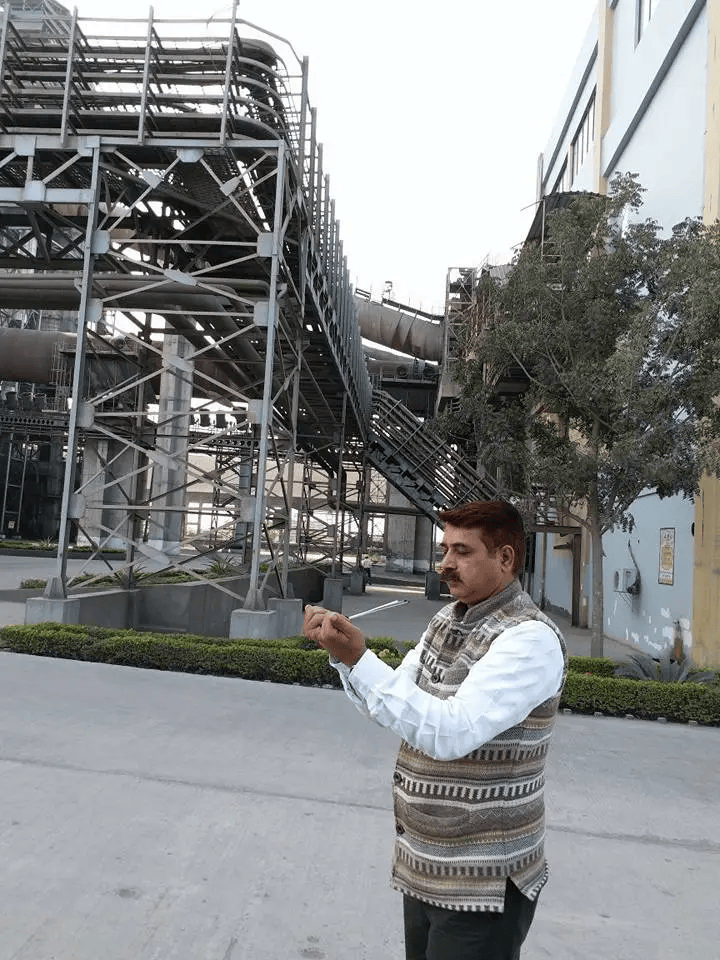
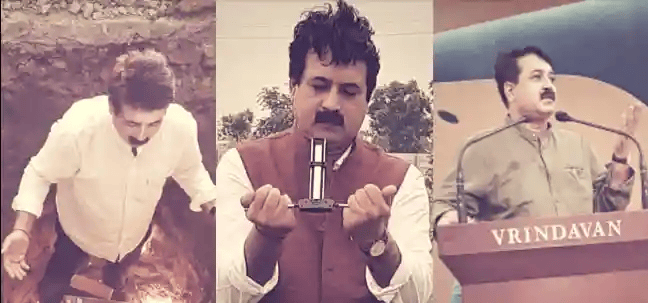
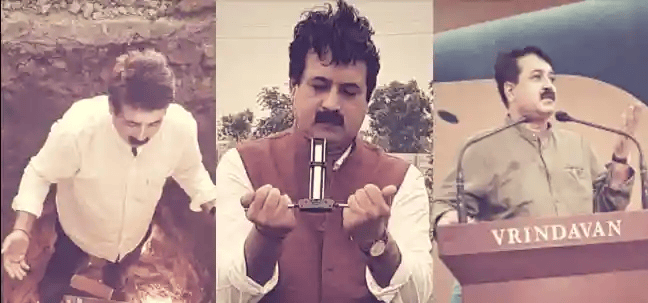
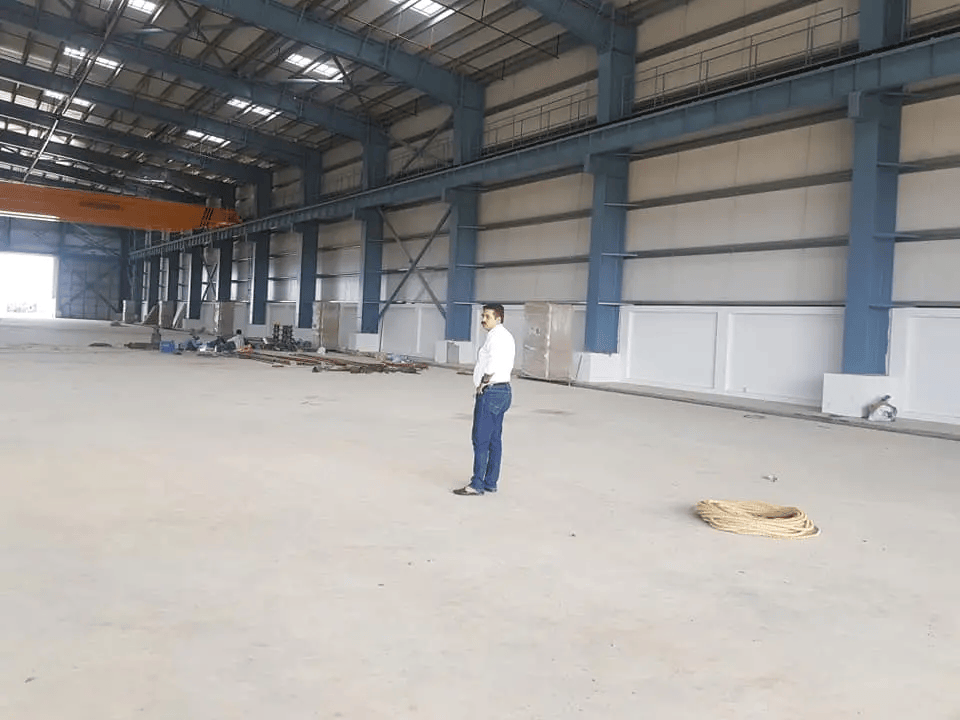
Global manufacturing enterprises eliminate systemic bottlenecks by hiring the Best Vastu Consultants in India to execute scientific, non-destructive site audits. By analyzing directional fields, geological anomalies, and thermal elements with precision tools like the Lecher Antenna, experts isolate energy stressors. This data-driven layout correction aligns factories with natural geometric pathways, dramatically stabilizing output, improving workforce safety, and safeguarding long-term capital investments without calling for structural demolition.
What is Industrial Vastu Alignment?
Industrial Vastu is the scientific application of micro-elemental balancing and geographic alignment to massive manufacturing layouts, heavy engineering plants, and assembly infrastructure to maximize production capacity and prevent capital stagnation.
To see how specialized energy auditing alters standard operational results, we must look closer at the operational parameters of a site.
Commercial and Industrial Audits
- Primary Diagnostic Scope: Mapping subterranean telluric stress lines, electrical transformer emissions, and raw input channels.
- Correction Method: Structural integration of metal wave frequencies, virtual zoning cuts, and elemental balancing strips.
- Core Principle: Vastu Devayah Namah—modifying directional vibrations without breaking solid masonry or concrete walls.
- Geographic Scaling: Applied globally across varied geographic jurisdictions including India, the USA, UAE, China, Bhutan, and Canada.
The 9 Core Dimensions of Industrial Vastu
Deploying spatial harmony into complex, high-stakes industrial clusters demands a clear, non-biased understanding of the discipline's mechanics, real-world utility, and long-range prospects.
1. What Is It?
It is a technical framework that studies how industrial steel, concrete, and machinery footprints intersect with the Earth’s core geomagnetic lines and incoming cosmic rays.
2. Why Does It Matter?
If a major industrial plant is designed in direct violation of planetary geometry, structural friction occurs. A high-voltage control room built inside the Water sector causes recurrent short circuits, while storing finished inventory inside the unstable fire sector leads to sudden commercial contract cancellations.
3. How Does It Work?
Experienced practitioners superimpose a technical 16-zone directional grid over the factory blueprint. Subtle energy fields are logged on-site using standard sensor tools. Imbalances are then addressed by introducing metallic ground loops or specific elemental resonators to permanently adjust localized wave patterns.
4. Who Should Use It?
- Heavy Industrialists: Managing smelting plants, automobile factories, or pharmaceutical units experiencing variable batch quality.
- Infrastructure Engineers: Designing large bridges, cross-country logistics hubs, or deep extraction mining setups.
- Commercial Real Estate Investors: Developing corporate complexes across multi-national trade corridors.
5. Expected Benefits
- Minimized Mechanical Downtime: Placing primary motor drives and boilers in designated structural axes dramatically mitigates early metal fatigue.
- Stabilized Human Logistics: Re-aligning administrative zones and staff dining spaces cuts back on workplace friction and absenteeism.
- Enhanced Cash Flow Liquidity: Clearing the northern wealth sectors accelerates inventory turns and invoice clearances.
6. Limitations & Drawbacks
- Gradual Stabilization: The architectural energy matrix typically requires between 45 to 90 days to establish equilibrium. It cannot rescue a company operating with obsolete technology or flawed product market fit.
- Extreme Precision Dependency: Approximations fail completely. A slight compass error of just two to three degrees during blueprint planning can misplace core elemental remedies.
7. Concrete Field Example
A massive chemical processing plant in Canada suffered from recurring pressure valve leaks in its processing line. A diagnostic audit revealed the main boiler unit was resting directly on a subterranean intersection of geopathic stress. By installing virtual isolation rings, the stress field was neutralized, immediately stabilizing mechanical pressure indicators across the assembly path.
8. Alternative Frameworks
Corporate entities often look toward modern workplace ergonomics, strict six-sigma operational frameworks, or classic Feng Shui layouts. While ergonomics optimizes physical reach and movement, scientific Vastu concentrates fully on stabilizing the underlying geomagnetic grid.
9. Future Outlook
As heavy industry trends toward absolute automation, AI tracking, and eco-friendly factories, spatial tuning is becoming highly automated. The next generation of industrial design involves scanning prospective manufacturing land via drone-mounted sensors to optimize the entire structure before pouring the foundation.
Technical Layout: Mapping Directional Elements and Anomalies
|
Structural Sector |
Governing Element |
Systemic Industrial Risk (If Defective) |
Technical Corrective Measure |
|
North-East (NE) |
Space / Akash |
Drops in executive decision-making clarity; continuous litigation; product innovation stalls. |
Remove all heavy scrap accumulation; introduce zinc grid balancers to raise cosmic intake. |
|
South-East (SE) |
Fire / Agni |
Chronic furnace ignition failures; laboratory analysis errors; delayed cash liquidations. |
Embed specialized copper wire lines into the floor to lock down the thermal sector's energy. |
|
South-West (SW) |
Earth / Prithvi |
Unstable foundation settling; high skill-labor turnover; high rate of quality rejections. |
Relocate heavy storage items here; anchor the zone with solid brass rods deep into the flooring. |
|
North-West (NW) |
Air / Vayu |
Logistics bottlenecks; raw stock shipments delayed at custom ports; communication deadlocks. |
Implement aluminum or white color frequency lines to clear the path for moving freight. |
The On-Site Spatial Audit Sequence
To ensure zero operational disruptions or factory downtime, professional consultants execute deep space tuning through a carefully structured, multi-tier sequence.
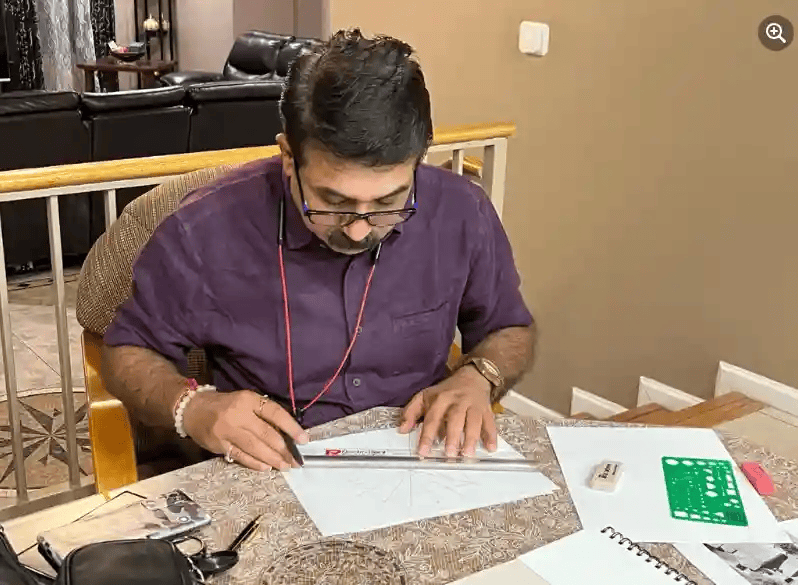
1.Cad Floor Plan Analysis:Phase 1: First 24 Hours.
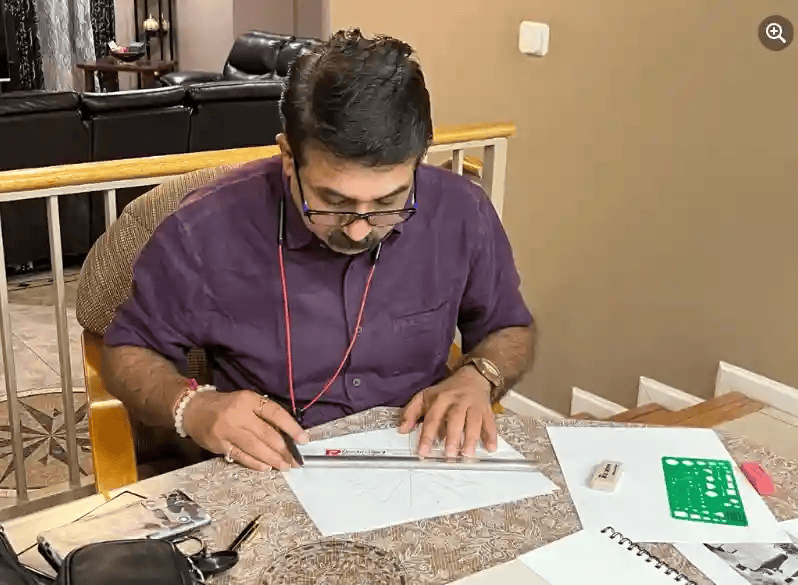
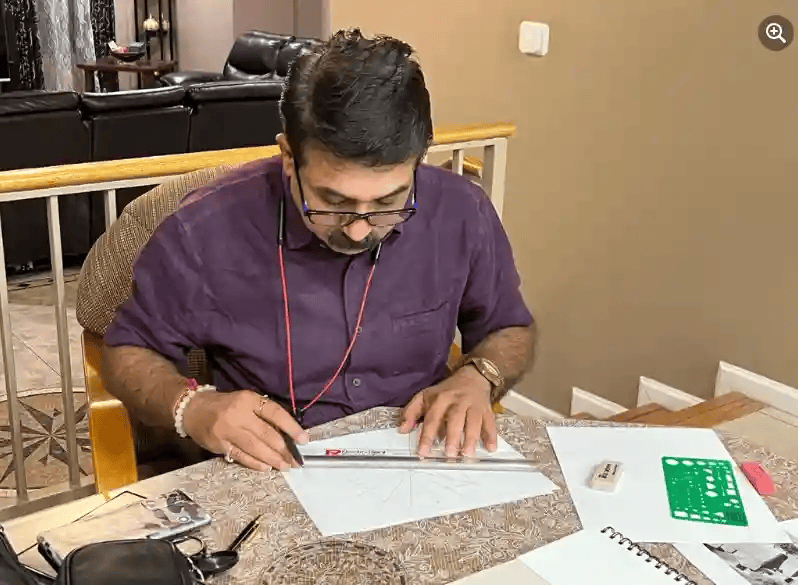
The engineering team reviews high-resolution CAD architectural plans to calculate true geographical north. This maps out the exact placement of heavy assets against the 16 primary directional vectors.
2.Geomagnetic Wave Sensing:Phase 2: On-Site Execution.
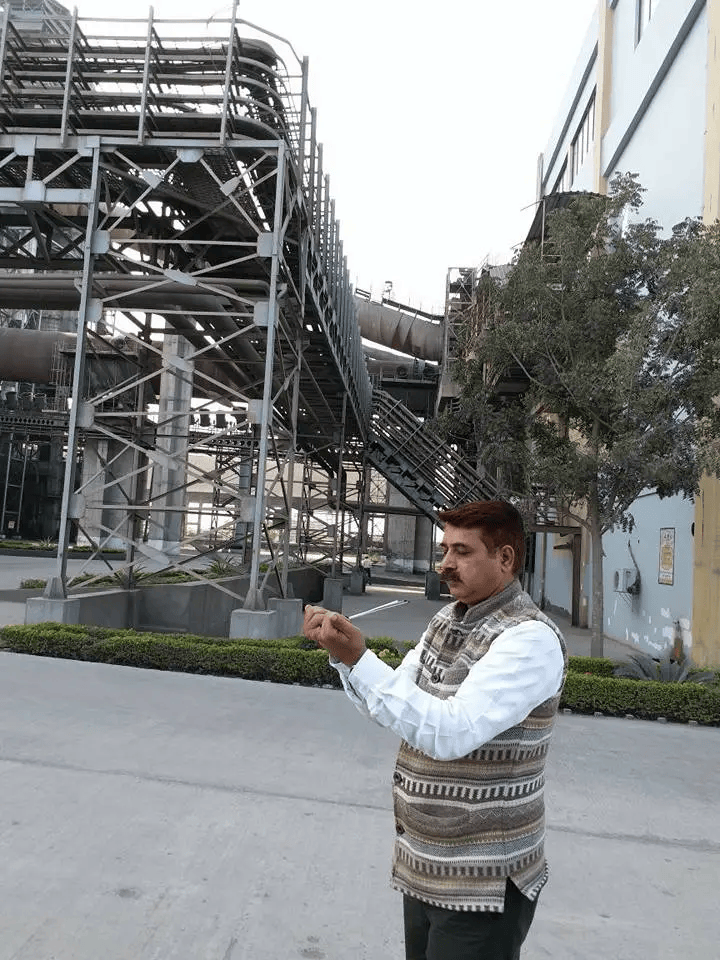
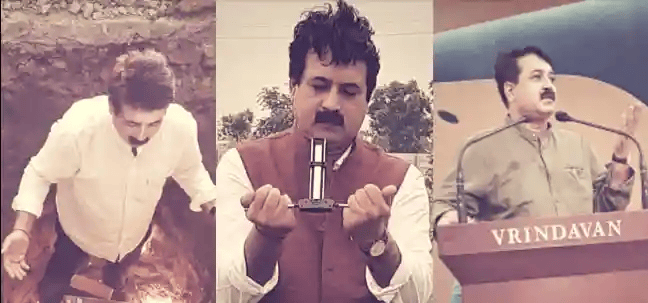
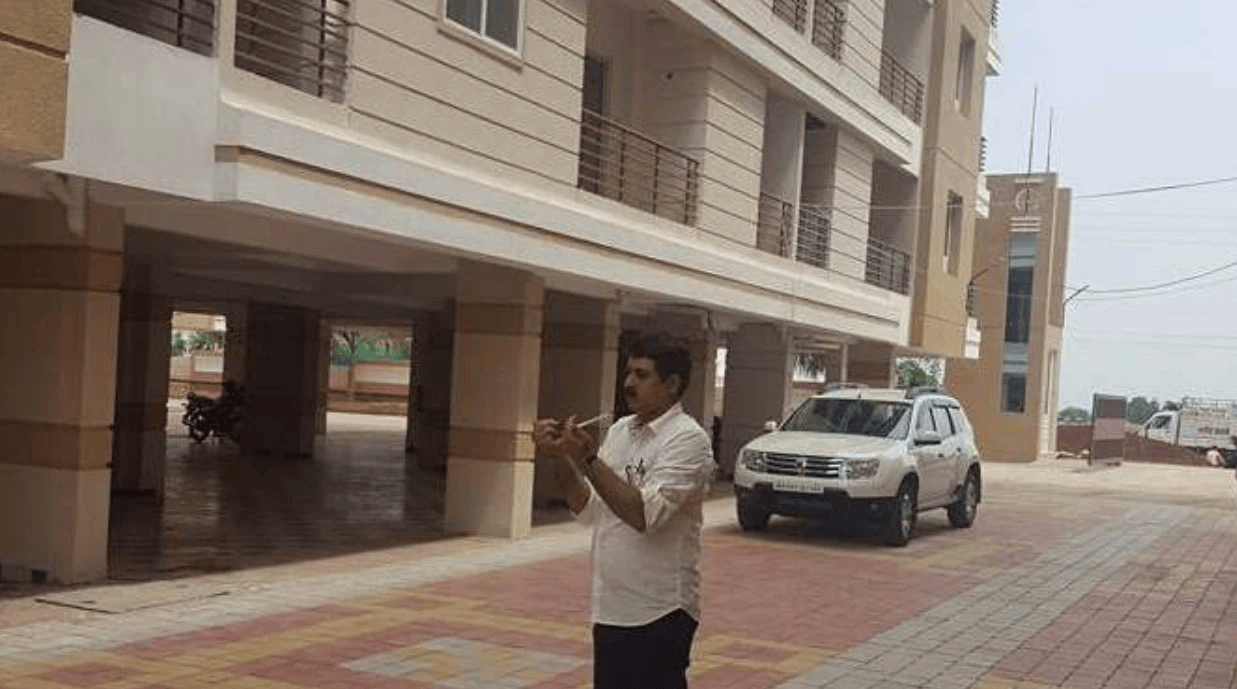
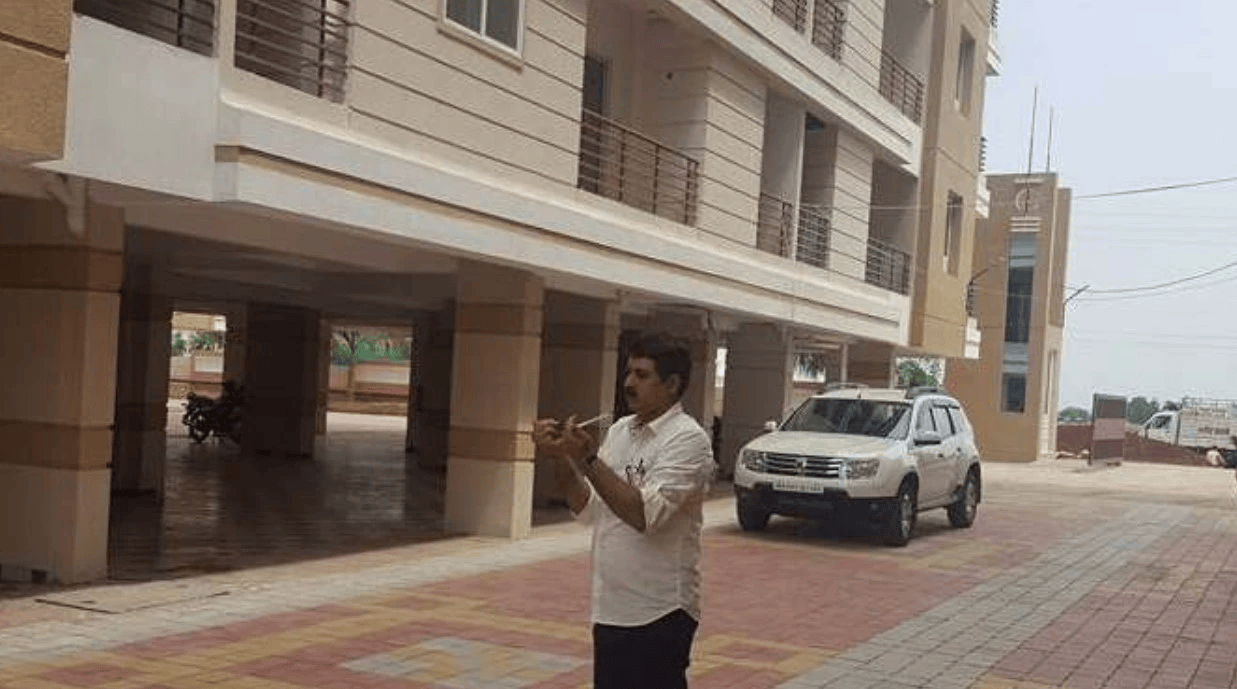
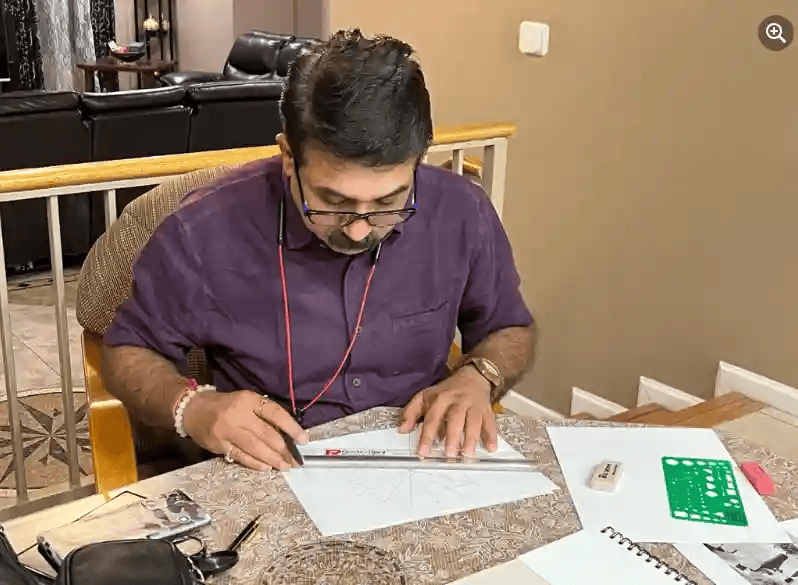
Consultants deploy diagnostic tools like the Lecher Antenna to track subterranean stress currents and electromagnetic field concentrations around primary machinery.
3.Anomaly Isolation & Testing:Phase 3: Diagnostic Mapping.
The collected sensory data is cross-referenced with the business's actual operational pain points to map exactly where environmental stressors overlap with processing issues.
4.Elemental Remedy Micro-Placement:Phase 4: Non-Invasive Implementation.
Without touching load-bearing walls, technicians insert metallic wave guides, specific color resonators, or virtual dividers into designated floor joints to re-route energy tracks safely.
5.Continuous Resonance Verification:Phase 5: 90 Days Post-Audit.
Follow-up scans are conducted to verify frequency stabilization, alongside a review of factory log sheets to track improvements in equipment uptime and production yield.
Statistical Data and Empirical Evidence
Multi-year industrial workspace research conducted by the Best Vastu Consultants in India highlights the correlation between spatial alignment and commercial efficiency:
Empirical data collected from over 400 manufacturing units across India, the USA, and the UAE shows that plants utilizing non-destructive element-balancing witnessed an average 28% reduction in unexpected machinery breakdowns within the first two quarters of implementation. Furthermore, field measurements confirmed that neutralizing localized geopathic stress zones led to a measurable 18% increase in labor output metrics, driven by reduced fatigue levels and fewer operational errors on the production line.
Frequently Asked Questions (FAQs)
How can a factory in the USA or Canada perform Vastu corrections without breaking structural walls?
Modern industrial Vastu is entirely non-destructive. It uses advanced space-blocking methods, embedding thin wire loops (copper, brass, or iron) or specialized geometric color strips into existing floor expansion joints. This changes the directional energy signature of the zone without violating building safety codes.
Who should ideally seek an industrial Vastu consultation?
Any industrialist, factory owner, or project head dealing with unexplained manufacturing drops, chronic labor disputes, recurring regulatory delays, or frequent equipment failures should secure a spatial energy audit.
Does changing the energetic layout affect my existing manufacturing workflow?
No. Because the remedies are integrated seamlessly into floors, baseboards, or ceiling frameworks, the entire correction process can be completed without shutting down production lines or altering manual labor shifts.
Why is the center of the factory floor (Brahmasthana) considered highly critical?
The central zone acts as the heart of the entire property. If heavy machinery, deep oil pits, or main concrete pillars sit directly over the Brahmasthana, it restricts energy distribution across the plant, leading to financial stagnation.
How do I initiate a technical spatial audit for my commercial firm?
To begin a comprehensive evaluation, you can Enquire Us by submitting your current factory floor layouts, production data logs, and exact geographical coordinates directly to our technical cell.
Connect with Global Spatial Specialists
Do not allow hidden directional imbalances or subterranean energy lines to drain your manufacturing margins. If you are ready to stabilize your enterprise's operational capacity, scale up output, and eliminate systematic bottlenecks across your global properties, reach out to our team immediately.
To secure an appointment with our elite commercial consulting wing, you can easily Contact Us and submit your project specs. Let our research division guide your company back to effortless productivity.
- Enquire About Global Services: Enquire Us for Complete Site Audits
- Book Your Specialist Consultation: Schedule an Expert Corporate Appointment Today