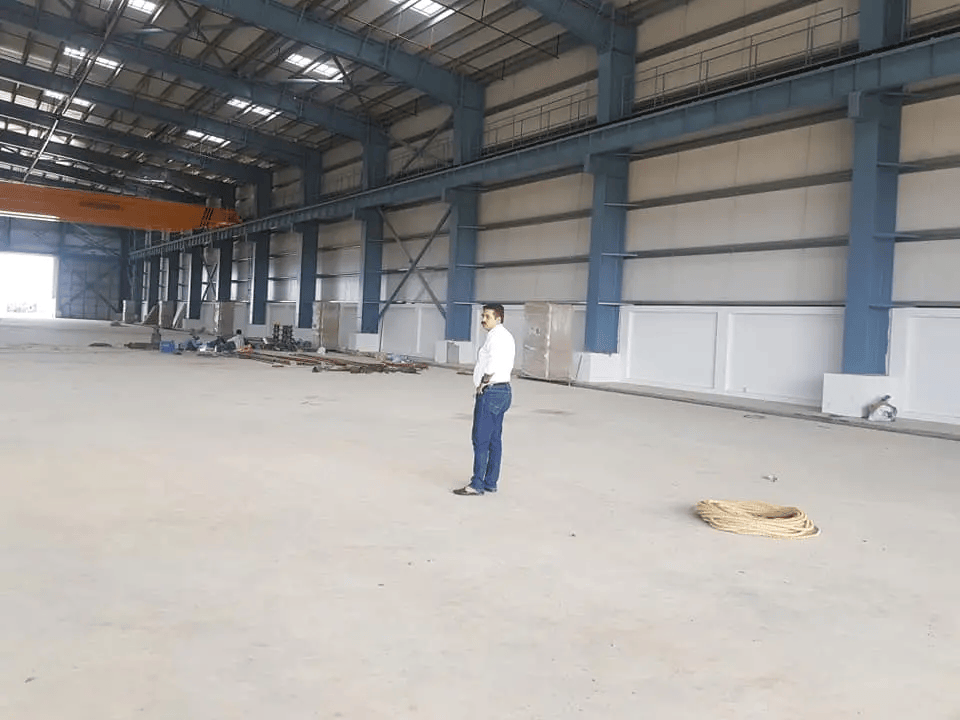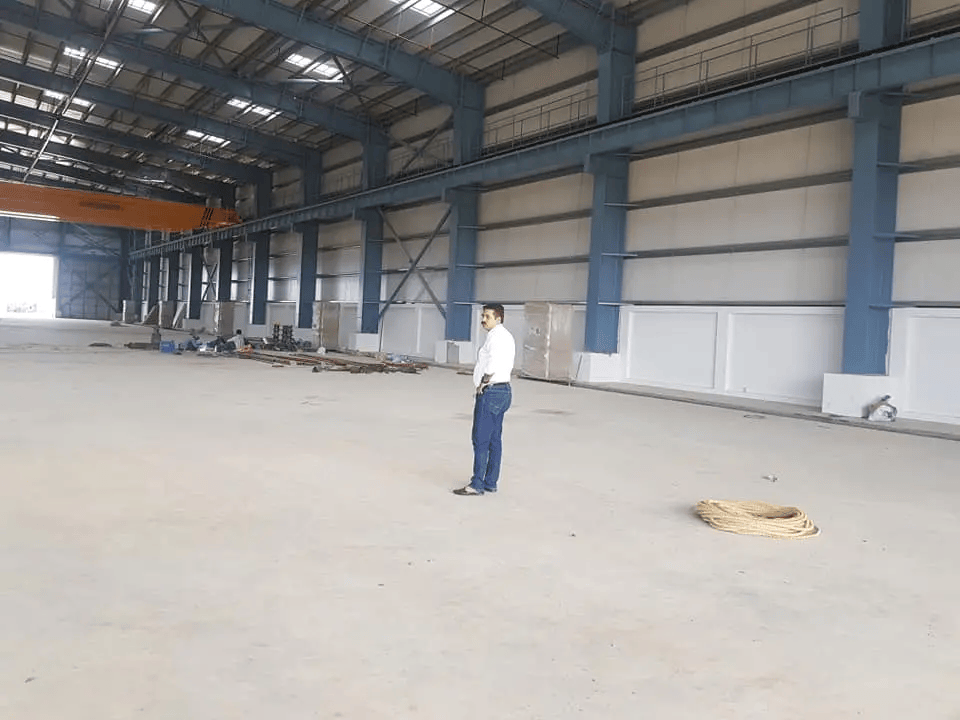
Industrial Vastu Consultants for Manufacturing Units in the USA
Why More American Manufacturing Facilities Are Turning to Directional Layout Science
Industrial Vastu Consultants in USA analyze plant direction, machinery zoning, and workflow energy to identify why a facility underperforms despite sound engineering. Brahm Vastu offers remote and on-site consultations for US-based manufacturers, using blueprint analysis, compass-based direction mapping, and non-demolition remedies developed by Dr. Santosh Mishra over more than two decades of industrial consultancy.
If you're running a manufacturing unit anywhere in the USA — from a warehouse-scale assembly facility to a full production plant — you've likely already optimized supply chain, staffing, and equipment. When output still plateaus for no clear mechanical reason, Industrial Vastu Consultants in the USA offer a different lens: the layout and directional flow of the facility itself.
What Are Industrial Vastu Consultants and Why Do American Manufacturers Use Them
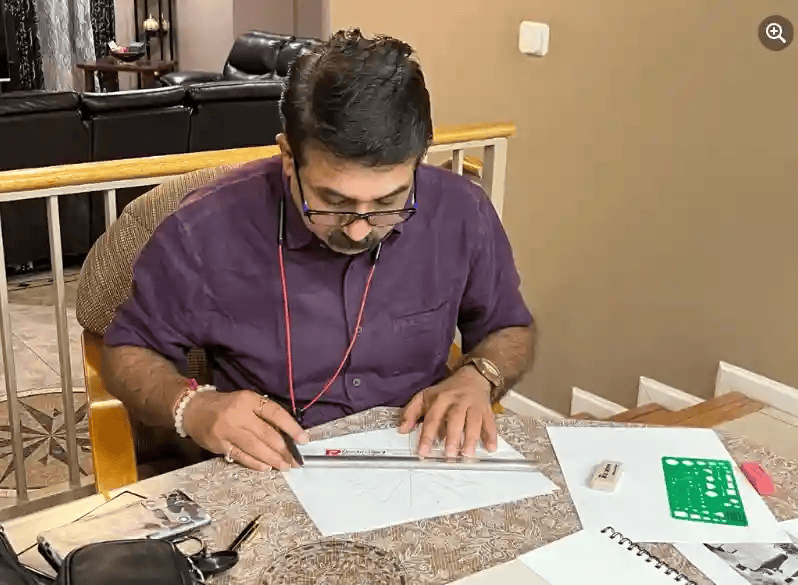
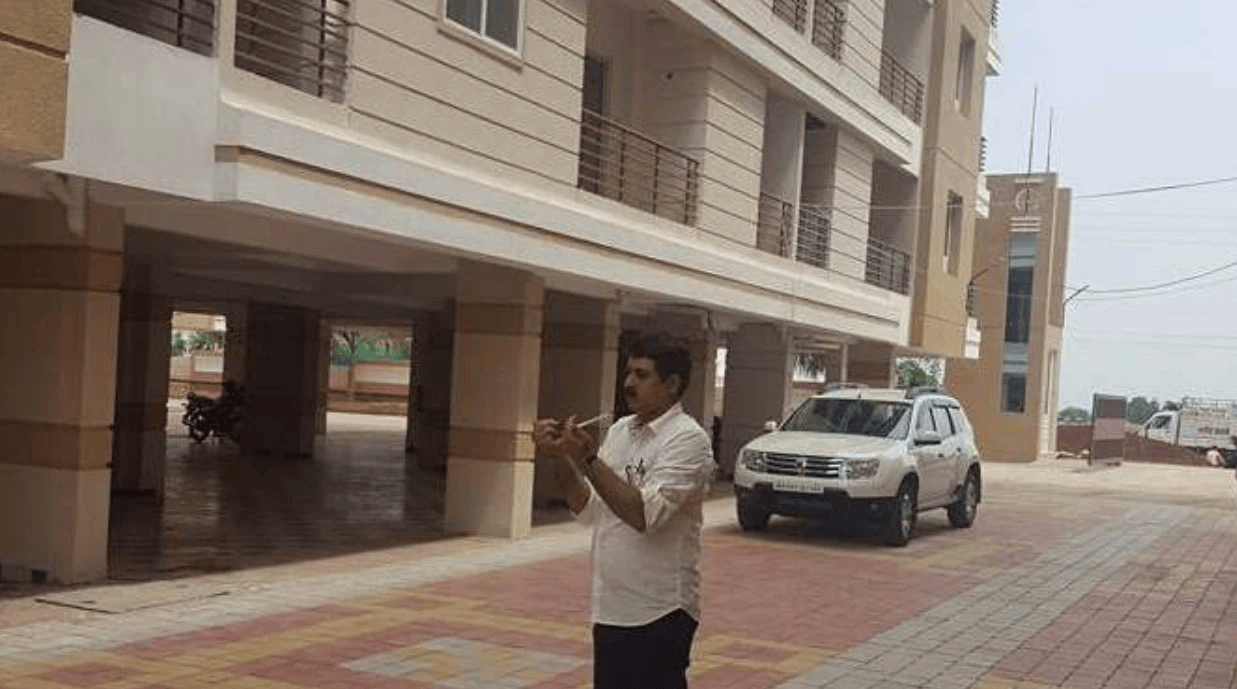
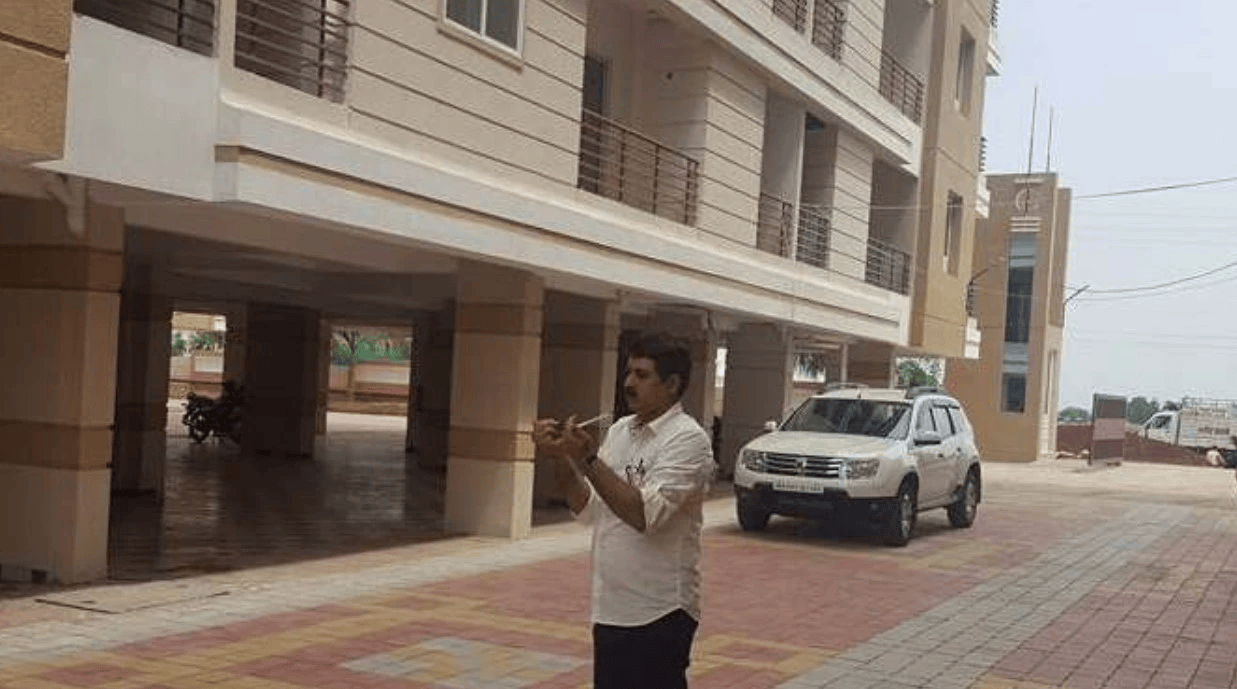
Industrial Vastu Consultants apply Vastu Shastra — an ancient Indian architectural science based on directions and the five elements (Earth, Water, Air, Fire, Space) — to the layout of manufacturing plants. In the USA, this typically means a remote or on-site review of the facility's blueprint, machine placement, entrance direction, and internal zoning, cross-referenced against directional principles that have been applied to Indian industrial sites for decades.
American manufacturers use this service for the same reason plant owners anywhere do: recurring, hard-to-pin-down issues — inconsistent output, unexplained equipment downtime concentrated in a specific section, or a facility that never quite reaches its expected capacity — that standard engineering reviews haven't fully resolved.
How Industrial Vastu Consultants in USA Work With US-Based Facilities
Brahm Vastu runs a consistent, structured process whether the client is in Raipur or Chicago:
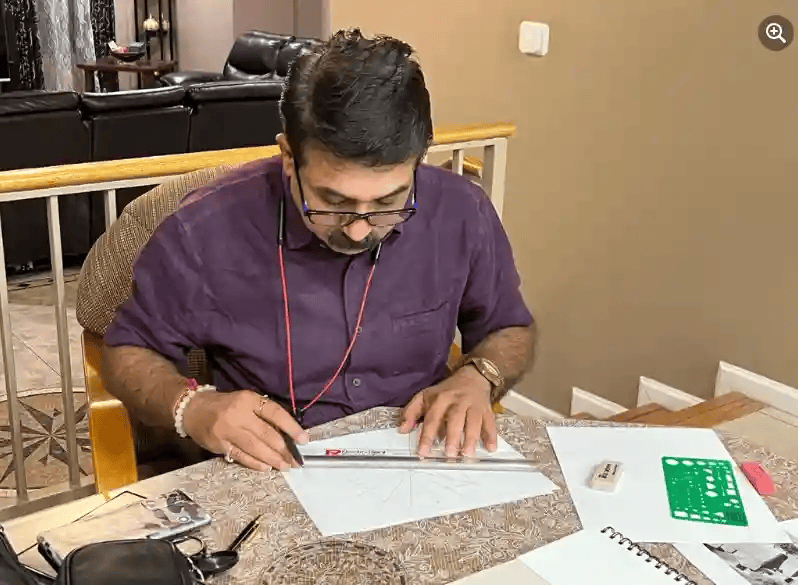
- Blueprint Submission — Clients share a floor plan or rough sketch with measurements, including staircases, lifts, and utility locations.
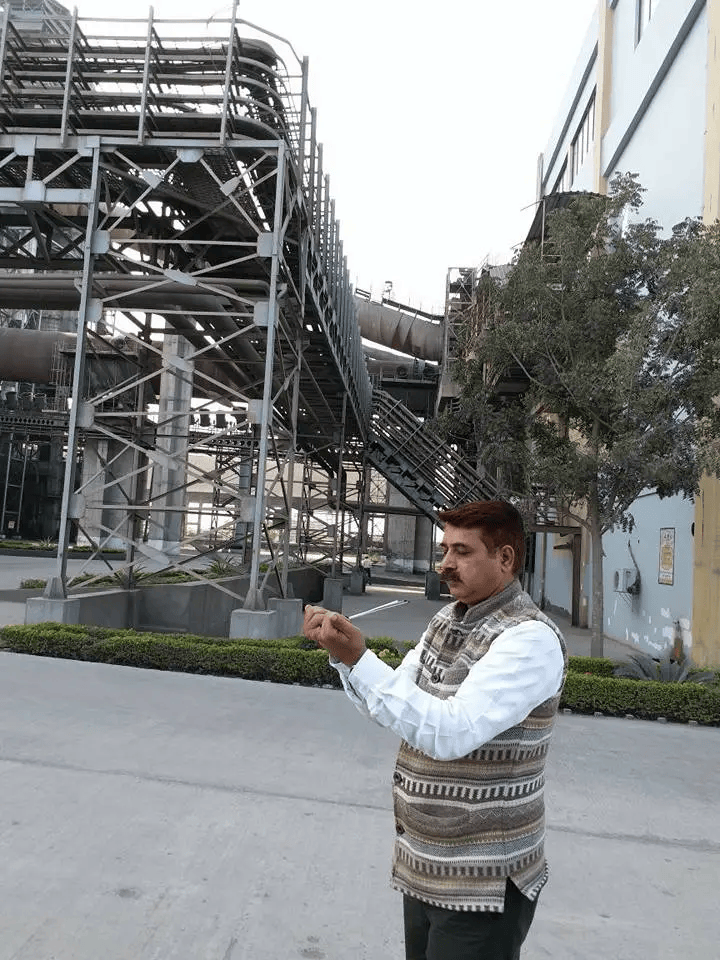
- Compass-Based Direction Check — Facility orientation is confirmed against true compass direction, not just the building's visual layout.
- Surrounding Environment Review — Nearby roads, water sources, and terrain are considered as part of the site's energy pattern.
- Photo Documentation — Photographs from all sides of the facility are reviewed alongside the blueprint.
- Vastu Zonal Report — A detailed report is prepared covering the property's element bar chart, zonal chart, strengths, and defect severity by department.
- Remedy Recommendations — Since demolition isn't practical (or often even permitted) in most leased or owned US industrial spaces, remedies are limited to repositioning, color coding, symbols, and metal-based corrections.
- Remote Follow-Up — Given the distance, ongoing support is provided over email and video consultation as production data comes in.
This process is built on the same SRT framework — Sataj, Rajas, Tamas — that Brahm Vastu uses across its industrial, commercial, and residential consultations globally.
Who This Service Is For
- US manufacturing plant owners facing plateaued output despite adequate staffing and machinery
- Businesses setting up a new manufacturing facility and evaluating site direction before signing a lease
- Companies expanding an existing US facility and reworking internal layout
- Facility managers noticing accident or downtime clusters in one specific zone
- Indian-origin business owners in the USA who want their operations aligned with the same principles used at their India-based facilities
Key Facts Block
|
Factor |
Industrial Vastu Guidance |
|
Preferred facility entrance |
East, North, or North-East facing |
|
Heavy machinery zone |
South-West, West, or South |
|
Furnaces, generators, boilers |
South-East zone |
|
Raw material storage |
West zone (liquids toward North/North-East) |
|
Finished goods storage |
North-West zone |
|
Office/owner cabin placement |
East or North, facing North |
|
Consultation mode for US clients |
Remote (blueprint + photos) or on-site, where available |
|
Correction approach |
No structural change — placement, color, and symbol-based remedies |
Industrial Vastu vs Standard Facility Optimization: Which Fits Your Plant
|
Aspect |
Standard Facility Optimization |
Industrial Vastu Consultants |
|
Primary basis |
Lean manufacturing, workflow engineering |
Directional zoning layered onto existing workflow |
|
Data source |
Production metrics, time-motion studies |
Blueprint, compass direction, and zonal analysis |
|
Implementation |
Often requires physical rearrangement or capital spend |
Primarily non-structural — placement and remedy-based |
|
Timeline for results |
Immediate to short-term |
Gradual, typically observed over a few production cycles |
|
Best suited for |
Process bottleneck diagnosis |
Recurring, unexplained issues standard audits haven't resolved |
Many facilities in the USA use both approaches together — lean optimization for measurable process gaps, and Vastu-based zoning for the recurring issues that don't show up cleanly in a process audit.
Benefits Manufacturing Clients Typically Report
- More stable day-to-day production output
- Reduced clustering of equipment issues in a specific area
- Better coordination between shift teams and management
- A calmer, more organized floor environment
- Smoother handling of expansion or new-line setup decisions
What to Know Before You Start
Industrial Vastu doesn't replace OSHA compliance, mechanical maintenance schedules, or engineering audits — it's a complementary layer, not a substitute. For leased US facilities, remedies are designed specifically to avoid any structural modification, since most commercial leases restrict this by default. Results are also incremental rather than immediate, which is why Brahm Vastu's process includes structured follow-up rather than a single static report.
Example: A Manufacturing Unit Case Pattern
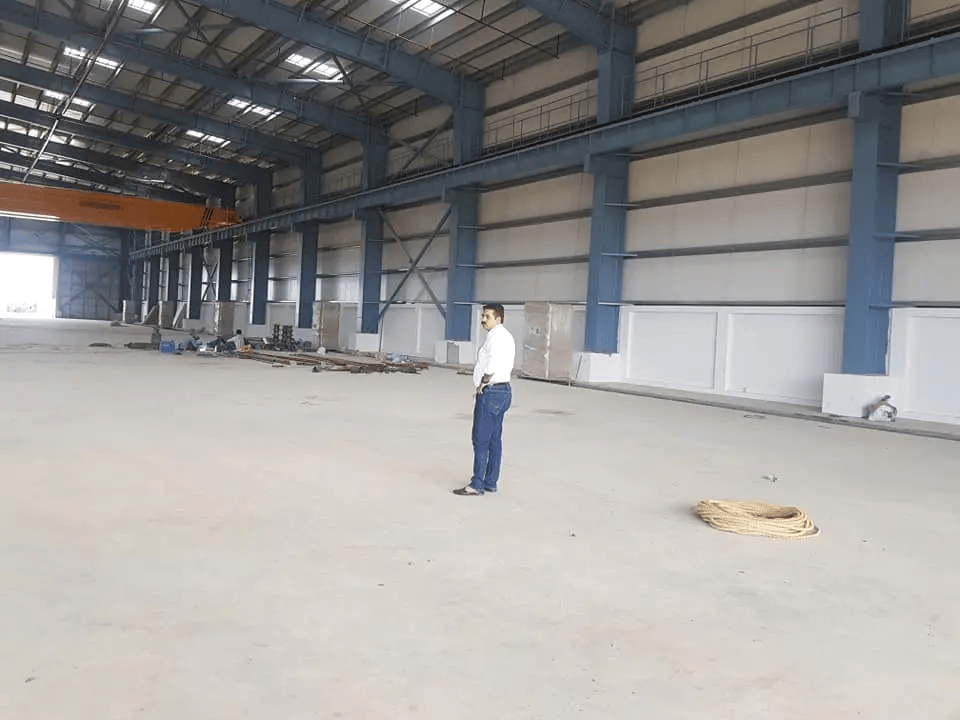
A common pattern in mid-sized manufacturing facilities: the main production line and heavy equipment positioned in the North-East zone, an area traditionally kept open in Vastu analysis. This layout is frequently associated with inconsistent throughput and higher machine strain. The typical correction involves shifting heavy machinery toward the South-West or West zone, relocating heat-generating equipment to the South-East, and applying entrance-level remedies — all achievable without any lease-violating structural work.
Why Choose Brahm Vastu as Your Industrial Vastu Consultants in USA
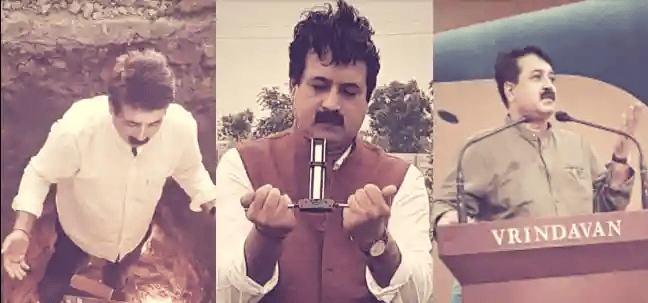
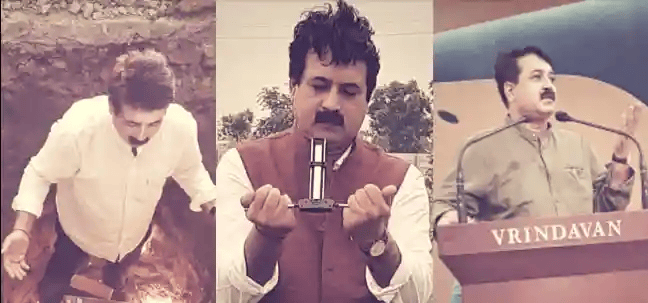
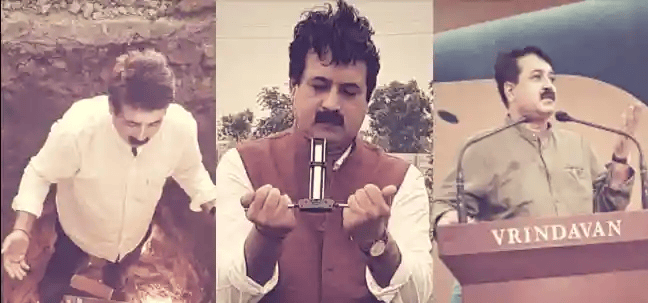
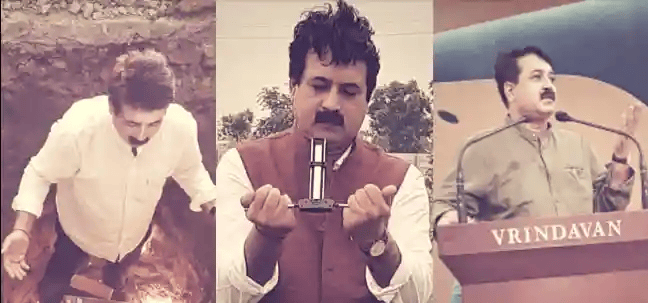
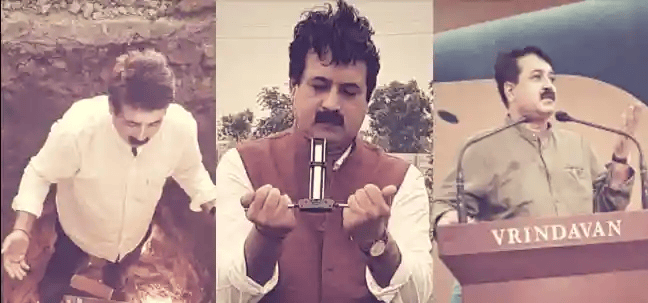
Brahm Vastu is founded by Dr. Santosh Mishra, a Bachelor's in Engineering graduate with an M.A. in Vastu Shastra from Maharishi Mahesh Yogi Vedic University, Jabalpur, and a Ph.D. awarded for his research on "Vastu and Health." With over two decades of consultancy experience — including university-level teaching of Vastu Shastra — and membership in the Astro Research Foundation and Bhartiya Jyotish Sangh, Dr. Mishra brings a research-backed approach to every project. Brahm Vastu, originally established as the Vastu Research Institute, now consults for clients across India, the USA, UAE, and Canada, using the same structured, no-demolition methodology regardless of location. Learn more about Dr. Santosh Mishra here.
Future Outlook for Industrial Vastu in the USA
As more Indian-origin business owners scale manufacturing operations across the USA, and as American facility managers look for non-invasive ways to address recurring plant issues, demand for remote Industrial Vastu consultation is expected to grow — particularly for facilities being set up or leased for the first time, where directional planning can be built in from day one rather than corrected later.
Frequently Asked Questions
Can Industrial Vastu be done remotely for a US-based facility?
Yes. Brahm Vastu conducts remote consultations using blueprints, compass-based direction data, and photographs, with follow-up support over email and video call.
Will Vastu remedies require structural changes to my leased facility?
No. All recommended remedies use placement, color, symbols, and metal-based corrections — designed specifically to avoid structural modification.
How is direction measured for a facility in the USA?
Direction is measured using true compass orientation of the plot and building, the same method used for facilities anywhere in the world.
Is this service only for large manufacturing plants?
No. The same principles apply to smaller manufacturing and assembly units — the consultation report is scaled to the size of the facility.
How soon can I expect results after implementing the recommendations?
Some shifts are noticed within weeks, but most facilities see clearer results over a few production cycles.
Schedule a Consultation for Your US Manufacturing Facility
If your manufacturing unit in the USA is facing output issues that standard process audits haven't explained, a directional and zonal review may surface what's been overlooked. Book an appointment with Brahm Vastu, call +91-9300018526, or email brahmvastu@gmail.com to begin a remote or on-site consultation.