Industrial Vastu Consultants in India for Steel and Cement Plants
How the Right Layout Can Fix Production Losses Before You Blame the Machinery
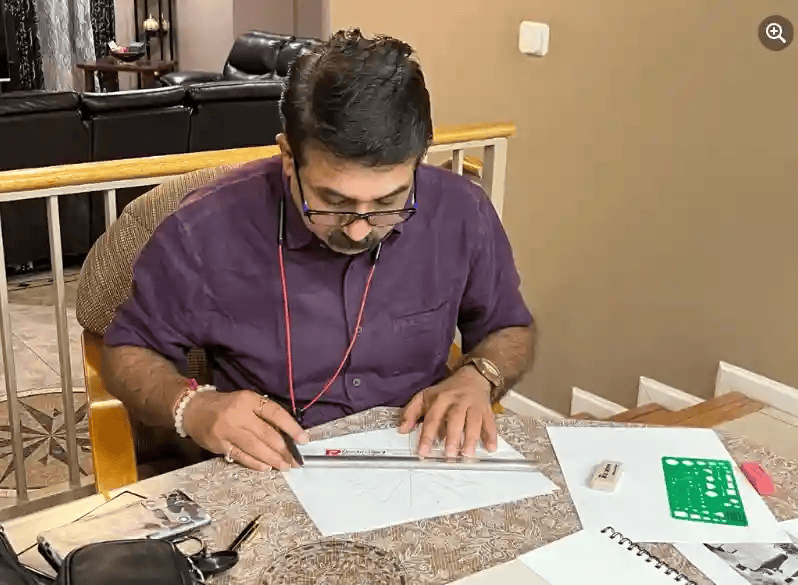
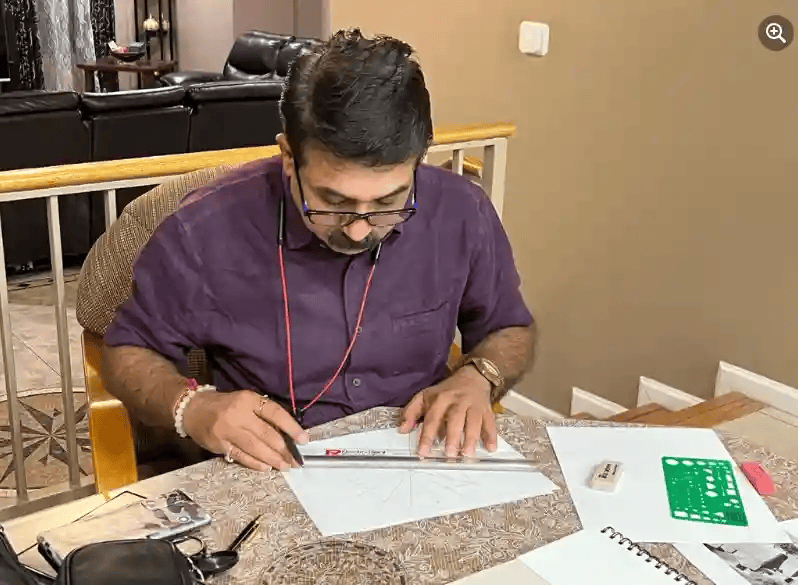
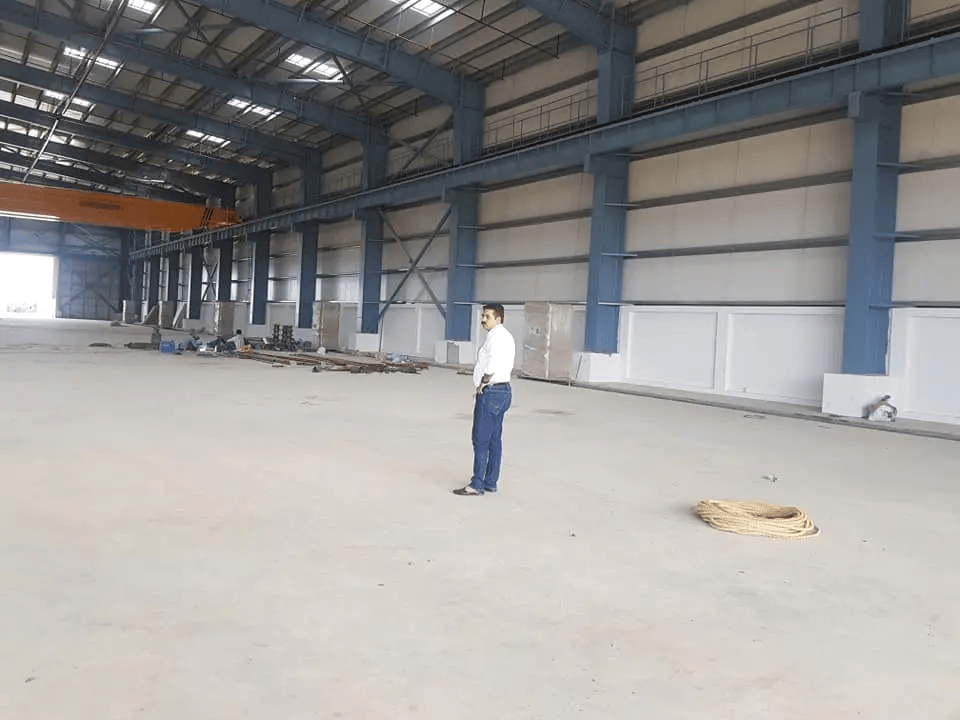
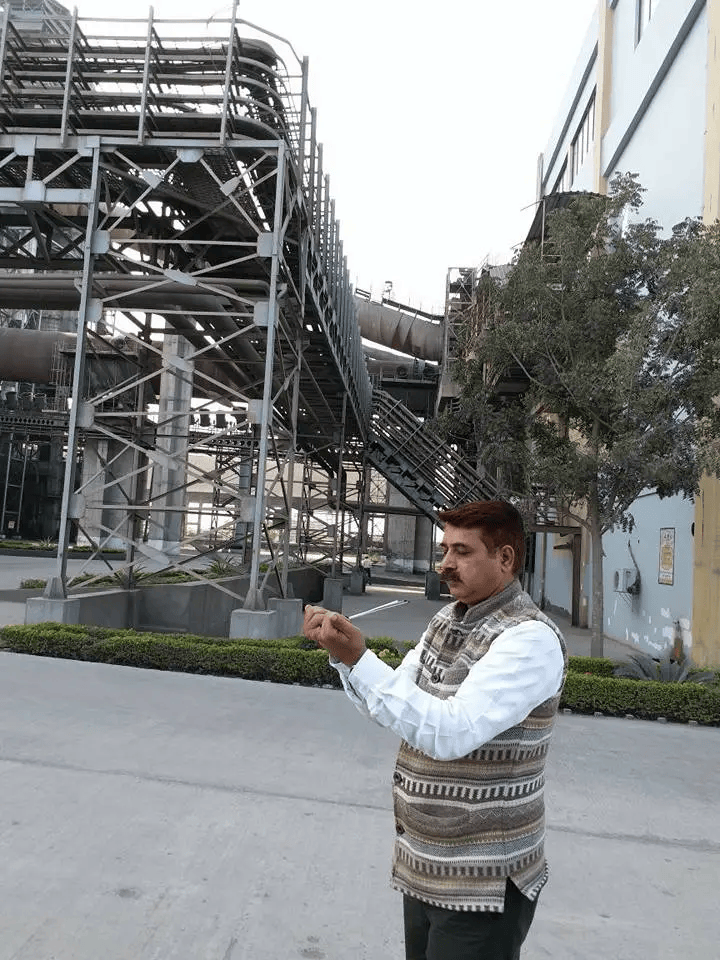
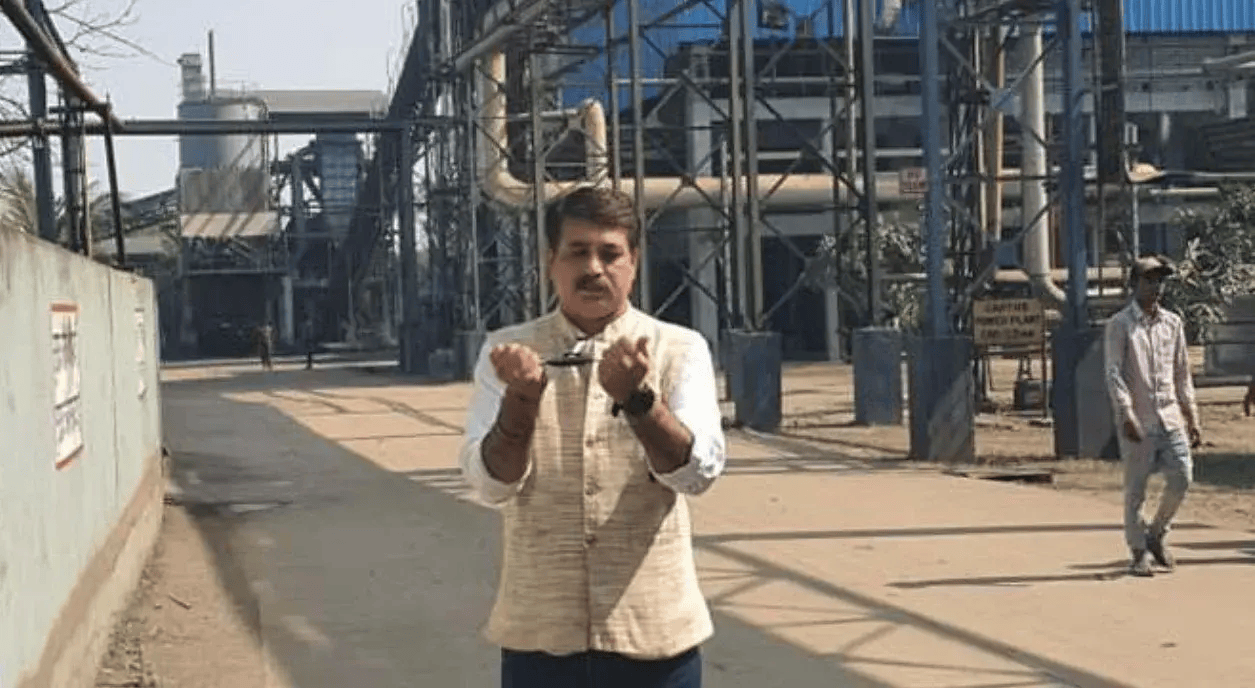
Industrial Vastu Consultants in India study the direction, machinery placement, and energy flow of a factory to identify why production, safety, or profitability issues keep repeating. Brahm Vastu, led by Dr. Santosh Mishra, has spent over two decades applying these principles to steel plants, cement units, and heavy manufacturing sites across India — correcting layout issues without demolition, using directional realignment, zoning, and Vastu remedies instead.
If you manage a steel rolling mill, a cement grinding unit, or any heavy industrial plant in India, you already know the frustration: production targets missed for no clear mechanical reason, machinery breakdowns that repeat in the same section, or a plant that simply never runs at full capacity despite the right investment. This is exactly the gap Industrial Vastu Consultants in India are hired to close.
What Is Industrial Vastu and Why Does It Matter for Steel and Cement Plants
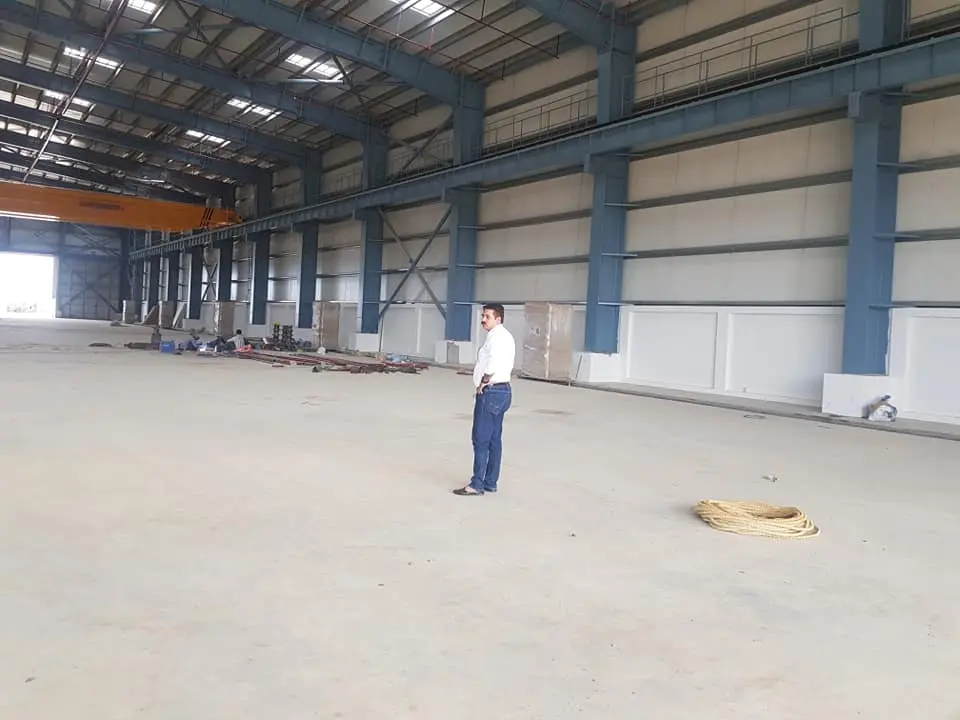
Industrial Vastu is the application of Vastu Shastra — the traditional Indian science of directions, space, and the five natural elements (Earth, Water, Air, Fire, Space) — to factory design, machinery placement, and plant layout. In steel and cement industries specifically, this means analyzing furnace zones, kiln placement, raw material storage, heavy machinery direction, and worker movement patterns against the property's directional map.
It matters because steel and cement plants run on continuous, high-stakes processes. A furnace in the wrong zone, a kiln positioned against natural heat flow, or a control room placed in a high-disturbance direction can quietly compound into recurring downtime, higher accident rates, and inconsistent output — the kind of losses that don't show up clearly in a single maintenance report but show up every quarter.
How Industrial Vastu Consultants in India Work With Your Plant
Brahm Vastu follows a structured, non-disruptive process for every industrial client:
- Site Documentation — A blueprint or rough sketch of the plant is collected, along with the exact location of lifts, staircases, water tanks, and septic systems.
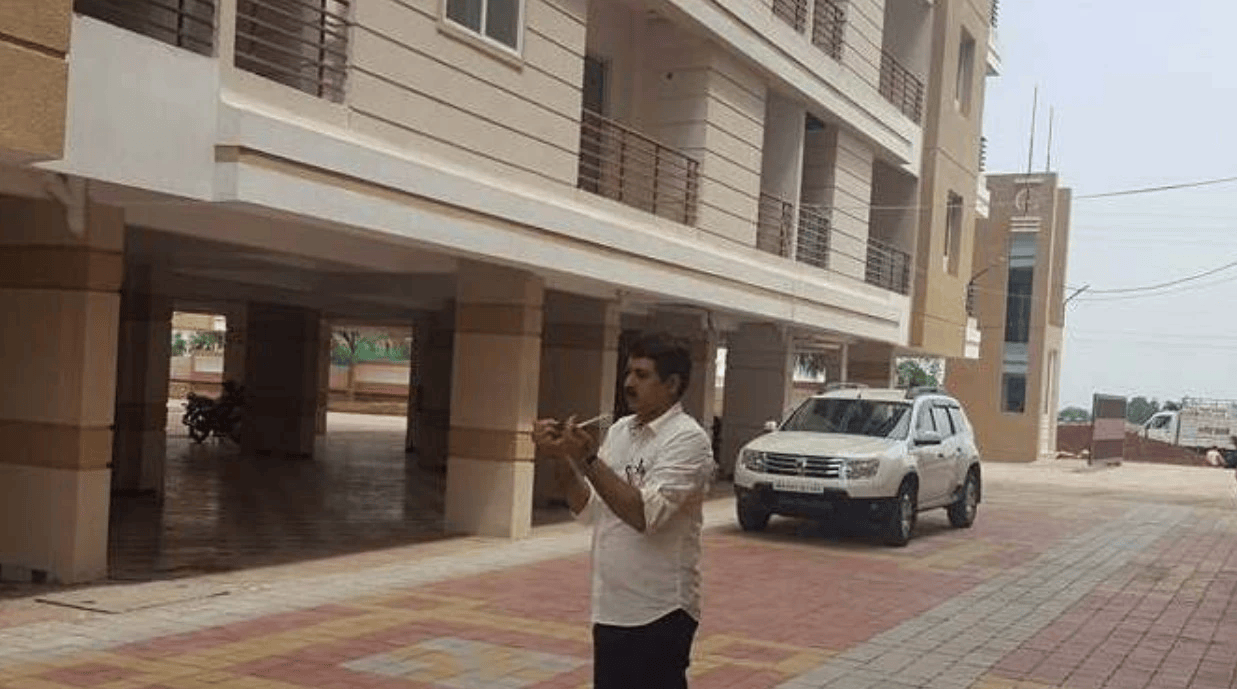
- Directional Mapping — The plot and building are measured against compass direction (not assumption), since even a few degrees of misalignment changes the Vastu reading.
- Surrounding Analysis — Nearby roads, water bodies, religious structures, and terrain features are reviewed, since these influence the energy pattern of the site.
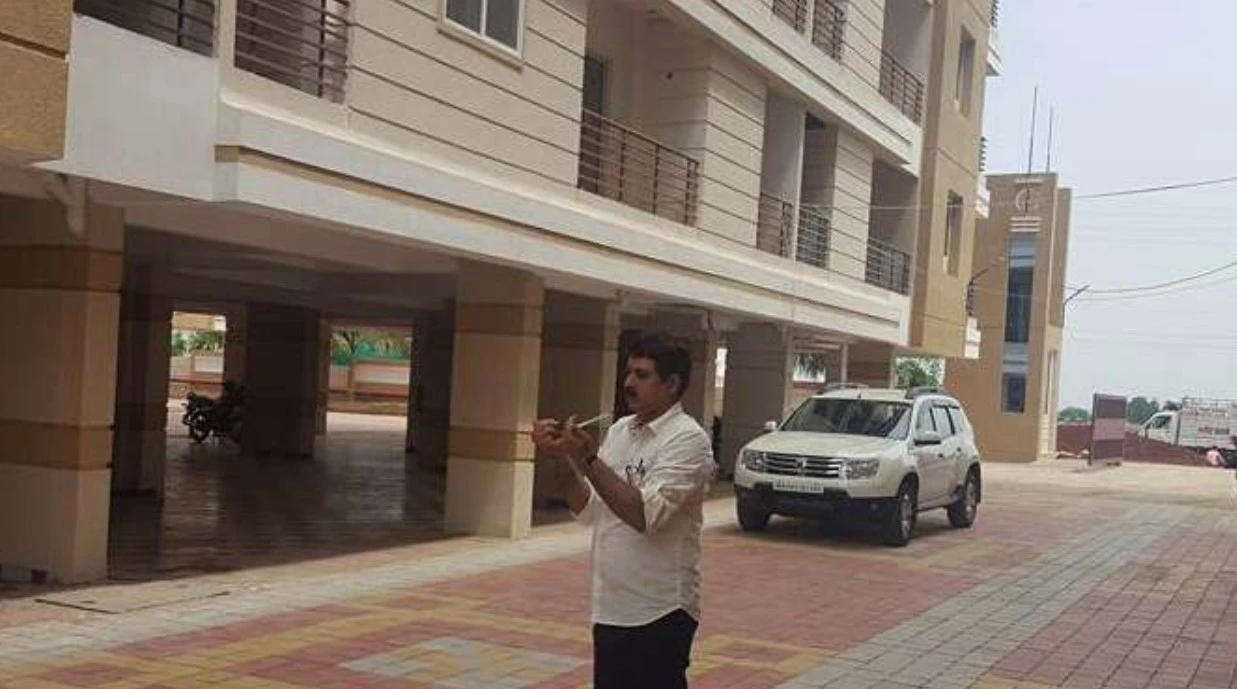
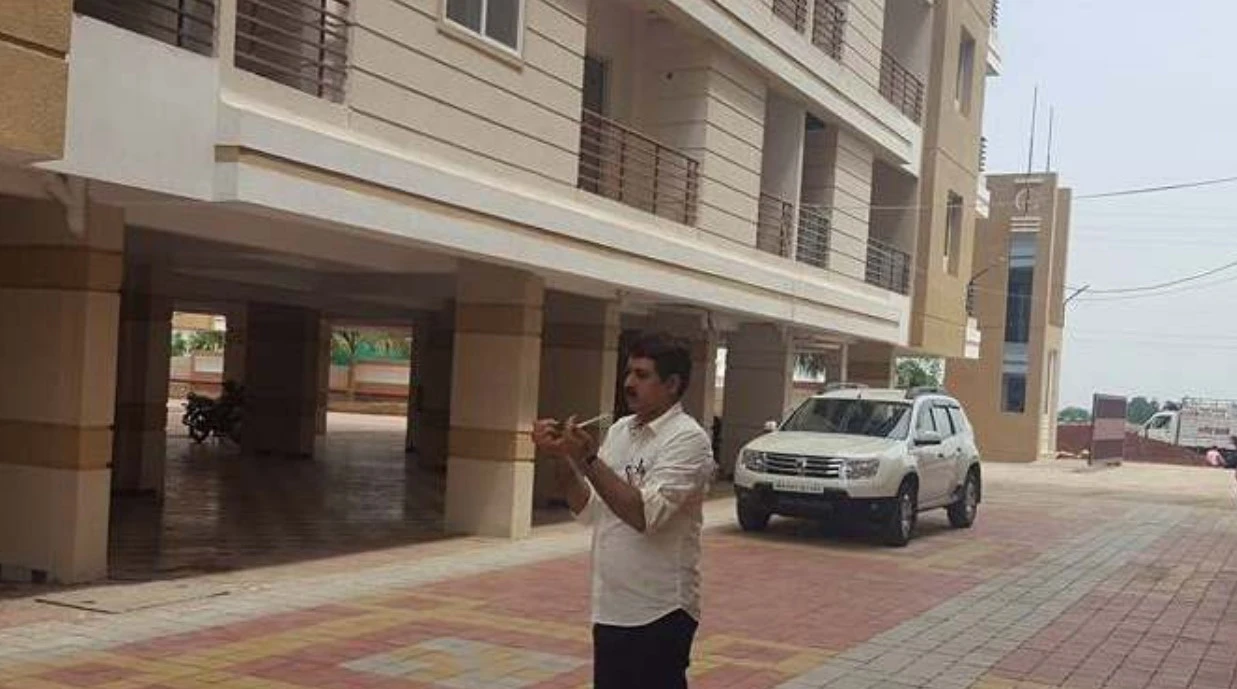
- Photographic Site Survey — Images from all four sides and corners of the plant are studied to cross-check the blueprint against reality.
- Zonal Vastu Report — A full Vastu element bar chart and zonal chart is prepared, flagging strengths, defects, and their severity across departments, machinery, land, employees, and finance.
- Remedy Implementation — Solutions are recommended using metals, colors, symbols, and internal repositioning — explicitly avoiding demolition or structural rebuilding.
- Follow-Up Review — Because industrial output is monitored over cycles, Brahm Vastu stays engaged post-consultation for further guidance as production data comes in.
This is the same SRT method (Sataj, Rajas, Tamas — channelization, balancing, and attraction of energy) that Brahm Vastu applies across residential, commercial, and industrial projects, adapted specifically to the scale and complexity of steel and cement operations.
Who Should Consult an Industrial Vastu Expert
- Plant owners facing repeated production shortfalls despite adequate machinery and manpower
- Steel and cement manufacturers planning a new facility and choosing land direction and layout
- Businesses undergoing expansion or diversification of an existing industrial unit
- Companies reviving a sick or underperforming industrial unit
- Facility managers dealing with a disproportionate rate of accidents or equipment failure in one specific zone
Key Facts Block
|
Factor |
Industrial Vastu Guidance |
|
Ideal factory entrance |
East, North, or North-East facing |
|
Heavy machinery placement |
South-West, West, or South zones |
|
Heat-generating equipment (furnaces, kilns, ovens) |
South-East zone |
|
Raw material / stone storage |
West zone; liquids preferably North or North-East |
|
Finished goods storage |
North-West zone |
|
Electrical equipment, generators, boilers |
South-East direction |
|
Land and floor slope |
Toward East, North, or North-East |
|
Approach |
No-demolition correction using placement, color, and symbol-based remedies |
Industrial Vastu vs Standard Factory Layout Planning: Which Should You Follow
|
Aspect |
Standard Layout Planning |
Industrial Vastu Consultants in India |
|
Primary basis |
Engineering efficiency, space utilization |
Directional energy flow + engineering compatibility |
|
Focus areas |
Workflow, logistics, safety codes |
Workflow + directional zoning of machinery, entrances, and storage |
|
Correction method |
Structural changes, re-engineering |
Non-demolition remedies — repositioning, color, metal, and symbol-based |
|
Long-term intent |
Operational efficiency |
Operational efficiency plus sustained energy balance for growth and stability |
|
Best used |
At the design/build stage |
At design stage or on an already-running plant facing recurring issues |
Most well-run plants benefit from combining both — sound engineering as the foundation, with Vastu-based zoning layered on top to address the recurring, hard-to-diagnose issues that standard troubleshooting often misses.
Benefits Industrial Clients Typically Report
- More consistent production quantity and quality
- Smoother supply chain and warehouse management
- Fewer unexplained equipment stoppages in specific plant zones
- Improved coordination between workers and management
- A calmer, more organized administrative hierarchy
- Better overall working atmosphere, which tends to reduce attrition
Common Limitations to Understand Before You Start
Industrial Vastu is not a replacement for mechanical maintenance, safety audits, or engineering review — it works alongside them, not instead of them. It also isn't an instant fix; most plants report visible shifts in operational rhythm over a few production cycles rather than overnight. Setting this expectation upfront is part of why Brahm Vastu's process includes an ongoing follow-up phase rather than a single one-time report.
Example: A Typical Industrial Vastu Correction
Consider a mid-sized cement grinding unit where the kiln and heavy crushing machinery were both placed in the North-East zone — traditionally reserved for open space and light activity. Vastu analysis of similar cases typically finds this pattern correlates with irregular output and higher machine fatigue. The standard correction: repositioning heavy equipment toward the South-West or West zone, relocating the kiln's heat-facing side toward South-East, and using specific metal and color-based remedies at entry points — all without touching the plant's structural framework.
Why Choose Brahm Vastu as Your Industrial Vastu Consultants in India
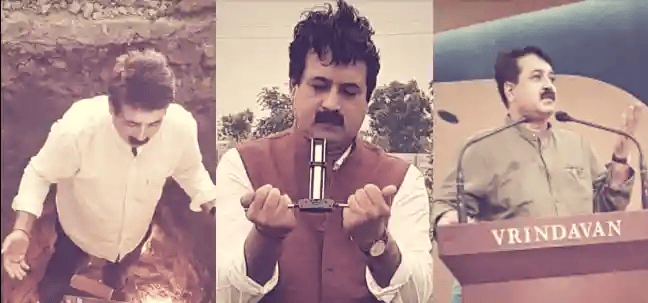
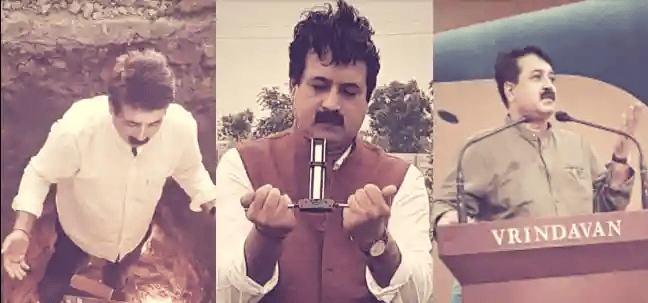
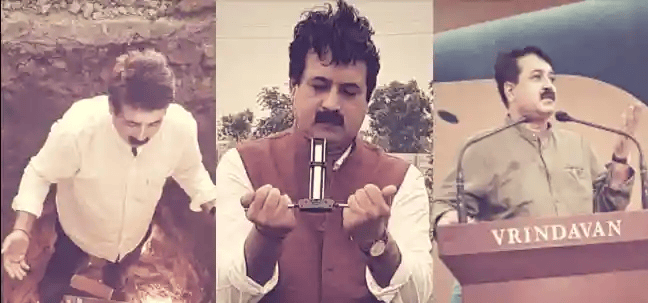
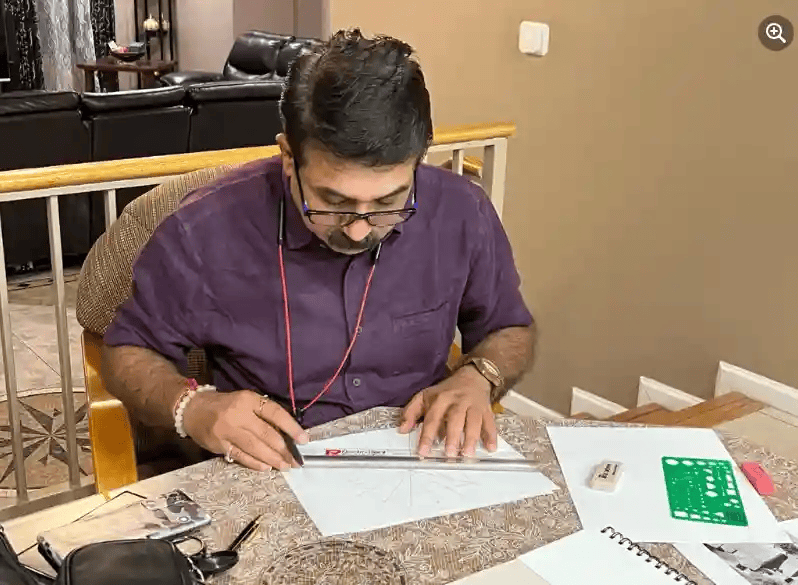
Brahm Vastu is led by Dr. Santosh Mishra, who holds a Bachelor's in Engineering, an M.A. in Vastu Shastra from Maharishi Mahesh Yogi Vedic University, Jabalpur, and a Ph.D. for his research on "Vastu and Health." He has over two decades of hands-on consultancy experience, has taught Vastu Shastra at the university level, and is a member of the Astro Research Foundation and Bhartiya Jyotish Sangh. Originally established as the Vastu Research Institute, Brahm Vastu has since worked with residential, commercial, and industrial clients across India — with a track record specifically built around correction-without-demolition for large-scale industrial and factory projects. Read more about Dr. Santosh Mishra's background here.
Future Outlook for Industrial Vastu in India
As Indian manufacturing continues to scale under initiatives like Make in India, more plant owners are combining traditional layout science with modern engineering audits at the planning stage — rather than treating Vastu as an afterthought once a plant is already underperforming. Expect more steel, cement, and heavy industrial groups to bring in Industrial Vastu Consultants in India during the design phase itself, rather than only during a crisis.
Frequently Asked Questions
What documents does an Industrial Vastu consultant need from my plant?
A blueprint or rough sketch with measurements, compass-accurate floor direction, details of the site surroundings, and photographs from all four sides and corners of the property.
Can Industrial Vastu be applied to an already-running steel or cement plant?
Yes. Brahm Vastu specializes in no-demolition corrections, meaning an operational plant can be realigned using placement, color, and remedy-based solutions without halting production for structural work.
How long does it take to see results after an Industrial Vastu consultation?
Some shifts are noticeable quickly, but most plants see fuller results over a few production cycles as the corrected layout settles into daily operations.
Is Industrial Vastu only for large factories?
No. The same directional and zoning principles apply to small and mid-sized units — the report is simply scaled to the size and complexity of the plant.
Does Industrial Vastu replace safety or engineering audits?
No. It works alongside standard engineering, maintenance, and safety practices rather than replacing them.
Get an Industrial Vastu Consultation for Your Plant
If your steel or cement plant is facing recurring production issues that engineering reviews haven't fully explained, a directional and zonal Vastu audit may reveal what's been missed. Book an appointment with Brahm Vastu or call +91-9300018526 / +91-7714069923, or write to brahmvastu@gmail.com to schedule a site consultation.